
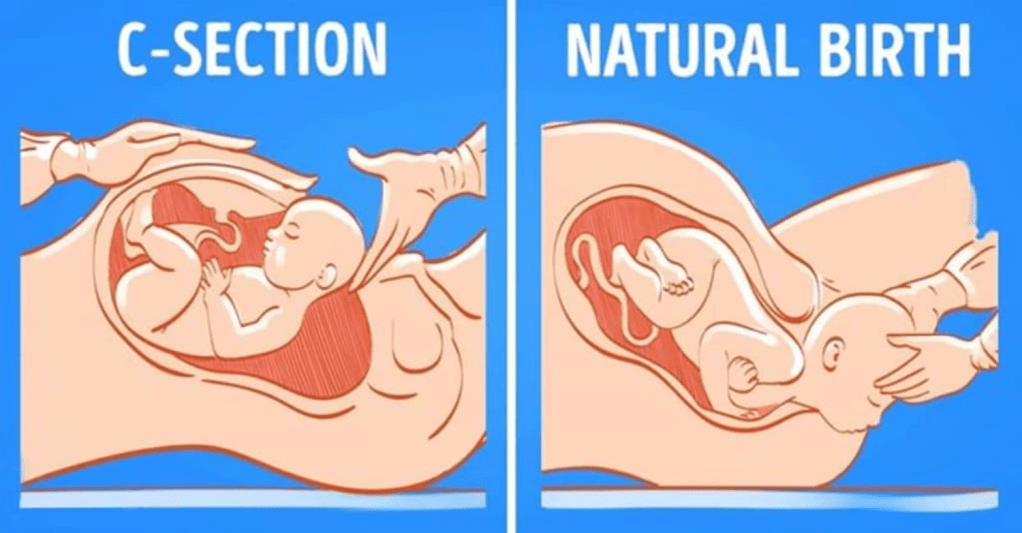
Cesarean vs. Vaginal Birth? A Detailed Comparison and Guide to Informed Decision-Making
Childbirth is one of the most transformative and miraculous experiences in a woman’s life. However, deciding on the method of delivery can be a significant and sometimes challenging decision for expectant mothers. Cesarean and vaginal births are two primary delivery methods that offer different approaches and outcomes. In this comprehensive guide, we aim to help expectant mothers make informed and personally suitable decisions by examining both methods in depth.
Vaginal Birth: The Miracle of Nature
Vaginal birth is the process of a baby being born through the birth canal. This natural process is based on the physiological functioning of the body and is the first choice for many expectant mothers.
In-Depth Advantages of Vaginal Birth
- Faster Recovery Process: Mothers who have vaginal births generally experience a faster recovery process compared to those who have cesarean births. Because the body is not subjected to surgical intervention, recovery is more natural and rapid.
- Reduced Pain and Discomfort: Postpartum pain is usually less than that after a cesarean birth. Following a natural birth, the body returns to its normal functions more quickly.
- Shorter Hospital Stay: Mothers who have vaginal births typically stay in the hospital for a shorter period. This allows the mother to return home and to her normal routines sooner.
- Lower Risk of Infection: Cesarean birth carries a risk of infection because it is a surgical procedure. In vaginal birth, this risk is minimal.
- Long-Term Benefits for the Baby: Vaginal birth helps the baby’s lungs develop better as they are compressed while passing through the birth canal. This contributes to strengthening the baby’s respiratory system. Additionally, during vaginal birth, the baby’s gut flora is enriched by contact with the mother’s vaginal flora, which supports the baby’s immune system.
- Psychological and Emotional Satisfaction: Many mothers find the vaginal birth experience more natural and fulfilling. Actively participating in the birth process can strengthen the maternal bond.
Notable Disadvantages of Vaginal Birth
- Intense Labor Pain: Vaginal birth can be a painful process and may require pain management. However, pain control can be achieved through methods such as epidural anesthesia.
- Risk of Vaginal Tearing: Vaginal tears can occur during childbirth. However, these tears usually heal on their own or can be easily repaired with stitches.
- Pelvic Floor Problems: Vaginal birth may increase the risk of pelvic floor problems such as urinary incontinence or pelvic organ prolapse later in life. However, pelvic floor exercises (Kegel exercises) can reduce this risk.
- Not Possible in All Cases: Vaginal birth may not be possible due to the baby’s or mother’s health conditions (e.g., breech presentation, placenta previa, fetal distress).
Cesarean Birth: A Medical Intervention
Cesarean birth is the procedure of delivering a baby by making incisions in the abdomen and uterus. As a medical intervention, cesarean birth is vital for the health of the mother and baby in certain situations.
Comprehensive Advantages of Cesarean Birth
- Plannability: Cesarean birth can be planned in advance. This is particularly advantageous when the timing of delivery is important for medical reasons.
- Painless Birth Experience: No pain is felt during birth thanks to anesthesia. This can be reassuring, especially for mothers who are concerned about labor pain.
- Reducing the Risk of Complications: In some cases (e.g., placenta previa, fetal distress, macrosomia), cesarean birth can reduce the risk of complications for the mother or baby.
- Controlled Birth Process: Cesarean birth takes place in a controlled environment and provides the opportunity for rapid intervention in emergencies.
Significant Disadvantages of Cesarean Birth
- Longer Recovery Process: Mothers who have cesarean births need more time to recover because they have undergone a surgical procedure. Healing of the abdominal incision can take time and cause pain.
- Increased Pain and Discomfort: Postpartum pain is usually greater than that after vaginal birth. Pain relievers may be needed for pain management.
- Longer Hospital Stay: Mothers who have cesarean births usually stay in the hospital longer. This is important for monitoring the recovery process and preventing possible complications.
- High Risk of Infection: Because it is a surgical procedure, the risk of infection is higher. Complications such as wound infection or uterine infection can occur.
- Increased Risk in Subsequent Pregnancies: Cesarean birth can increase the risk of complications such as placenta previa, placenta accreta, or uterine rupture in subsequent pregnancies.
- Potential Risks for the Baby: In cesarean births, babies may have a slightly higher risk of respiratory problems because their lungs are not compressed while passing through the birth canal.
- Psychological and Emotional Effects: Some mothers may find the cesarean birth experience less natural and fulfilling. Not being able to participate actively in the birth process can affect the feeling of motherhood.
Choosing the Method of Delivery: Evaluating Personal and Medical Factors
The choice of delivery method should be made in accordance with the expectant mother’s personal preferences, health status, and her doctor’s recommendations. Both delivery methods have their own advantages and disadvantages. The important thing is to determine the healthiest and safest option for the mother and baby.
Things to Consider During the Decision-Making Process
- Detailed Discussion with Your Doctor: Discuss delivery method options, risks, and benefits in detail with your doctor.
- Evaluate Your Personal Preferences: Consider your expectations and concerns about your birth experience.
- Review Your Health Status: If you have existing health problems or pregnancy complications, consider your doctor’s recommendations.
- Get Informed: Gather information about delivery methods from reliable sources and research different birth experiences.
- Prepare a Birth Plan: Specify your delivery method preference, pain management options, and other important details in your birth plan.
Conclusion: Make an Informed and Personally Suitable Decision
Cesarean and vaginal births are two different delivery methods suitable for different situations. Expectant mothers should thoroughly research the differences, advantages, and disadvantages between these two methods and make the right decision for themselves by talking to their doctors. Remember, every birth experience is unique, and the health and safety of the mother and baby are paramount.





 Milkoholic Baby
Leave a reply to Cem Tahtaci Cancel reply