
When Do Babies Crawl? Everything You Need to Know About the Crawling Stage
The journey of growth and development in babies is filled with many milestones, each more exciting than the last. One of these milestones is undoubtedly crawling. Seeing your baby start to move on their own for the first time is an indescribable source of happiness and pride for parents. The moment they take their first steps on their tiny hands and knees is one of the unforgettable moments captured in photographs and memories. So, when do babies start crawling? We will discuss everything you need to know about this important developmental stage in detail in this blog post.
What is Crawling and Why is it Important?
Crawling is a motor skill that babies typically develop between the ages of 6 and 10 months. Basically, it means the baby moves their body forward using their hands and knees. However, not every baby may crawl in the same way, and different crawling styles can be observed.
Crawling plays a vital role in babies’ physical, cognitive, and socio-emotional development. Here are some points highlighting the importance of crawling:
- Development of Motor Skills: Crawling strengthens the muscles in the baby’s arms, legs, and abdominal area. These muscles form the basis for more complex motor skills such as walking, running, and jumping later on. While crawling, babies learn to coordinate different parts of their bodies, which contributes to the development of fine and gross motor skills.
- Coordination and Balance: Crawling helps the baby develop hand-eye coordination and body balance. While moving, babies constantly have to adjust where they are looking and where they will place their hands. This process strengthens the communication between the brain and muscles and contributes to the development of balance mechanisms.
- Cognitive Development and Exploration of the Environment: Crawling allows the baby to explore the world on their own. They can now go wherever they want, touch objects that interest them, and examine their surroundings more closely. This exploration process develops their sense of curiosity, promotes problem-solving skills, and allows them to learn more about their environment. Crawling can also help the baby understand the concept of object permanence because they can now follow an object and find it in different places.
- Social and Emotional Development: Crawling increases the baby’s independence and develops their self-confidence. The ability to move on their own increases the baby’s opportunities to interact with their environment and develop social relationships. Additionally, being able to go where they want allows the baby to play a more active role in expressing and meeting their emotional needs.
When Do Babies Start Crawling?
Generally, most babies start crawling between 6 and 10 months of age. However, every baby’s development rate is different, and some babies may reach this milestone earlier, while others may be a little later. Therefore, instead of expecting a specific timeline for your baby to start crawling, it is more important to monitor their overall development.
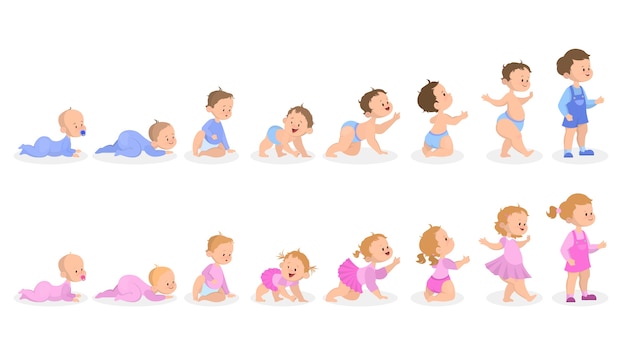
In the preparation phase for crawling, babies develop a series of other motor skills. These stages are usually as follows:
- Rolling Over (3-6 months): Babies usually start rolling over from their back to their tummy and from their tummy to their back between 3 and 6 months of age. This is one of the first signs of the muscle strength and coordination necessary for crawling.
- Sitting Up (5-9 months): Most babies can sit up without support between 5 and 9 months of age. Sitting helps the baby develop balance and control their body.
- Tummy Time and Scooting (5-7 months): Babies can turn over on their tummies and try to push themselves forward. This can be the beginning of some babies crawling in what is called the “army crawl” style.
- Rocking on Hands and Knees (6-10 months): Babies close to crawling usually start rocking back and forth on their hands and knees. This helps them develop the muscle strength and coordination needed for crawling.
Keep in mind that your baby may skip one or more of these stages or perform them in a different order. Every baby’s developmental path is unique.
Different Ways and Styles of Crawling:
Not every baby learns to crawl in the same way. Here are some common crawling styles seen in babies:
- Classic Crawl: This is the style that most people think of when they hear the word crawling. The baby moves their body forward using their hands and knees. They usually move one hand and the opposite knee at the same time.
- Army Crawl (Belly Crawl): Some babies move forward by dragging their belly on the ground using their hands and arms. This style may appear before or instead of the classic crawl.
- Bear Walk: In this style, the baby moves with their hands and feet on the ground, keeping their knees and elbows straight. This is considered a more advanced form of crawling and requires more strength and coordination.
- Backward Crawling: Some babies may crawl backward instead of forward at first. This is usually a temporary situation, and babies learn to move forward over time.
- Bottom Scooting: Some babies move forward by dragging their bottom on the ground. It is beneficial to consult your doctor about this, as in some cases it may be an indication of hip development.
- Skipping Crawling: Surprisingly, some healthy babies may completely skip the crawling stage and go directly from sitting to standing and walking. This is usually not a cause for concern, but it is important to monitor your baby’s development with your doctor.
How Can You Encourage Your Baby to Crawl?
There are some things you can do to help your baby develop their crawling skills:
- Create a Safe Environment: Provide a safe and spacious area for your baby to crawl. You can cover the floor with a soft blanket or play mat. Make sure there are no small objects around that the baby could swallow.
- Get the Baby Used to Tummy Time: Regularly place your baby on their tummy while they are awake. This position helps strengthen their neck, back, and shoulder muscles and develops the motor skills necessary for crawling. Start with short periods initially and gradually increase the duration.
- Place Interesting Toys: Place colorful and noisy toys that will interest your baby within their reach. This can encourage the baby to move to reach the toy.
- Play Games That Encourage Crawling: You can encourage your baby to imitate you by crawling or creeping in front of them. You can also create small tunnels or obstacles for your baby to go through.
- Be Patient and Don’t Push: Every baby develops at their own pace. Do not force your baby to crawl or compare them to other babies. Support them and encourage them to try.
Things to Consider During the Crawling Stage:
The crawling stage is an exciting time when your baby starts exploring the world, but it is also a time when you need to take some safety precautions:
- Safety Precautions: Make your home safe for babies. Install safety gates at the top and bottom of stairs, cover electrical outlets, and move small and dangerous objects to places where the baby cannot reach them. Protect the edges of furniture with sharp corners.
- Monitor the Baby’s Movements: Once your baby starts crawling, keep a close eye on them. Especially prevent access to stairs, balconies, and other potentially dangerous areas.
- Possible Accidents and First Aid: Falls and minor bumps may occur during crawling. Be prepared for such situations and have basic first aid knowledge.
- Should We Worry About the Crawling Style? Most crawling styles are normal. However, if you notice that your baby is only crawling using one side or not using their legs at all, it is beneficial to consult your doctor.
When to Worry and See a Doctor:
The timing of crawling in babies can vary within a wide range. However, it is recommended to consult a doctor in the following situations:
- Babies Who Show No Signs of Crawling Despite Being 9-10 Months Old: This may be a sign of a delay in motor development.
- Suspected General Delay in Motor Development: If you think your baby is also delayed in other motor skills (rolling over, sitting up, etc.).
- Asymmetrical Crawling or Difficulty Using One Side of the Body: This may be a sign of some neurological or orthopedic problems.
- Delays in Other Developmental Milestones: If you notice delays in other developmental areas such as speech and social interaction, in addition to crawling.
Your doctor will evaluate your baby’s development and may request further tests or specialist consultation if necessary.
Steps After the Crawling Stage:
Crawling is an important step in the baby’s journey to walking. The muscles strengthened and the coordination developed through crawling help the baby prepare to stand up and walk. After crawling, most babies start cruising (walking while holding onto furniture) and then take their first independent steps. It is important to support your baby during this process, give them confidence, and provide a safe environment.
Conclusion:
Crawling is a natural, important, and exciting stage in babies’ development. Every baby develops at their own pace, and the timing of crawling can vary from baby to baby. As parents, carefully monitoring your baby’s development, supporting them, and providing a safe environment are your most important tasks. If you are worried about your baby’s crawling style or timing, do not hesitate to consult your doctor at any time. Remember that you are not alone on this journey, and every new achievement of your baby will be a great source of happiness for you too.


 Milkoholic Baby
Leave a comment