
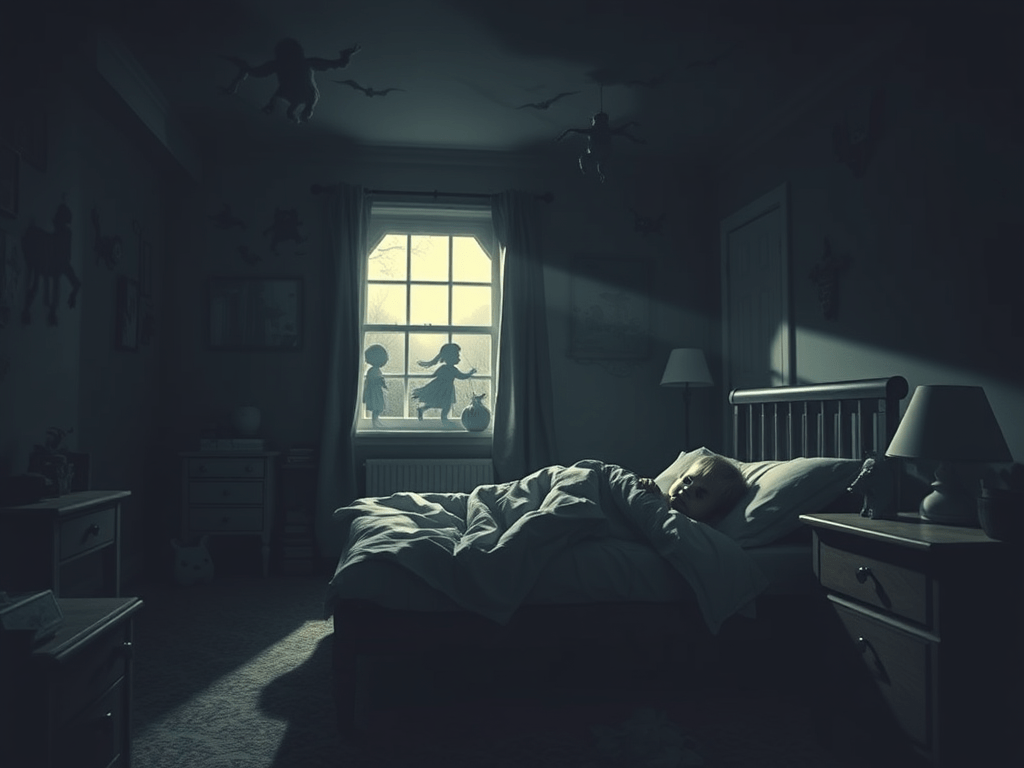
Those Dark Visitors Before Sleep: The Shadows Children See
As the silence of the night settles, little bodies snuggle into their beds. Just as eyes are about to close, strange shapes appear dancing in the dim light of the room or the faint glow of the moon. It is at that moment that children step into the world of shadows they see before falling asleep, where imagination and reality intertwine. These shadows can sometimes be eerie silhouettes of familiar objects, and sometimes completely imaginary, mysterious figures. So, why is this situation so common, and how should we, as parents, approach it?
Why Do Children See Shadows Before Sleep?
It is actually quite natural and common for children to see shadows before going to sleep. There are several main reasons for this:
- Active Imagination: Children’s imagination is much more vivid and boundless compared to adults. Especially during the transition to sleep, the subconscious becomes more active, and their imagination runs free. This can cause simple shapes to take on different meanings in their minds.
- Low Light Conditions: The dim light in the room at night or the moonlight seeping in from outside can make objects look different than they usually do. Familiar toys, books, or furniture can take on completely different silhouettes in the dark. This can lead children to not recognize these shapes and perceive them as different, sometimes scary things.
- Sleepiness and Perception Changes: Being sleepy can affect perceptual processes. Because the brain is not fully awake, it may have difficulty interpreting ambiguous shapes, which can lead to imaginary images. Just like in dreams, in this transitional moment between wakefulness and sleep, the boundary between reality and imagination can become blurred.
- Fear of the Dark: Many children have a fear of the dark. This fear can make the shadows they see before going to sleep even more frightening. An already existing state of anxiety can cause ambiguous shapes to be interpreted as dangerous.
- Developing Visual Processing Abilities: Children’s visual processing abilities are not yet fully developed. While adults can more easily recognize shapes they see in the dark and figure out what they are, children may have more difficulty with this.
Common Shadows Children Might See:
The shadows that children describe seeing before going to sleep often have similar themes:
- Monsters Under the Bed: Perhaps the most classic one. The dark area under the bed can turn into a terrifying creature in children’s imaginations.
- Figures in the Corner: Human-like or more abstract shapes that appear in the dark corners of the room can make children uneasy.
- Strange Shapes on the Wall: Especially shadows formed by light reflecting off the ceiling can turn into moving, hard-to-recognize figures on the wall. Even the shadows of tree branches swaying in the wind reflected on the wall can be perceived as the arms of a monster.
- Things Coming Out of the Closet: The darkness seeping from a slightly ajar closet door can create the feeling that something might come out of it.
Remember that when the light is turned on, these scary shadows often turn out to be simple reflections of objects, toys, or furniture.
How to Help Your Child Cope with Bedtime Shadows:
Your child’s fear of shadows before going to sleep can be worrying for both them and you. Here are some effective methods you can apply in this situation:
- Take Their Feelings Seriously: Do not belittle your child’s fears or dismiss them with expressions like, “Don’t be silly, there’s nothing there.” Show that you understand their feelings and want to support them. You can start with phrases like, “I understand you’re scared, those shadows can really look spooky.”
- Investigate Together: Examine the room with your child and try to find the source of the shadows. It could be a lamp, a toy, or a beam of light shining through the window. Showing them what the shadows actually are can help reduce their fears.
- Use a Night Light: Placing a soft night light in the room can reduce the intensity of the darkness, making the shadows less prominent. Opt for a soft and soothing light tone in particular.
- Create a Relaxing Bedtime Routine: Doing calming activities before bedtime can help your child fall asleep more peacefully. Reading a book, listening to soft music, or having a calm conversation can be beneficial.
- Talk About Imagination: Explain to your child how powerful their imagination is and how it can sometimes play tricks on us. Help them understand that the shadows might actually be a game their mind is playing.
- Create “Monster Spray”: As a fun method, fill a spray bottle with water and spray the room with your child using “monster spray.” This can symbolically help ward off the shadows and fears.
- Apply Positive Reinforcement: Praise and appreciate your child when they face their fears and act bravely. This will increase their self-confidence and motivate them to cope with their fears.
- Limit Screen Time Before Bed: The blue light emitted from screens such as televisions, tablets, or phones can disrupt sleep patterns and overstimulate the brain. Try to limit screen time at least an hour before bedtime.
- Check for Underlying Anxiety: If your child’s fear of shadows is very intense, significantly disrupts their sleep patterns, or is accompanied by other signs of anxiety, it may be helpful to consult a professional.
When to Seek Professional Help:
While children’s fear of shadows before going to sleep is usually a temporary situation, professional help may be needed in some cases:
- If the fear is very intense and significantly prevents the child from falling asleep.
- If the fear persists during the day and affects the child’s daily activities.
- If the fear is accompanied by other anxiety symptoms (nail-biting, bedwetting, restlessness, etc.).
- If you, as a parent, are having difficulty coping with the situation.
In such cases, consulting a pediatrician or a child psychologist can provide you with the right guidance and support.
Conclusion:
The shadows that children see before going to sleep are often a temporary situation that arises from the combination of their imagination and the darkness. As parents, it is important to take our children’s fears seriously, support them, and help them with appropriate methods. Remember that imagination is a very valuable tool for children, and sometimes these visitors that appear in the dark can be a reflection of their inner world. By providing them with a safe and loving environment, we can help them gradually bid farewell to these dark visitors.



 Milkoholic Baby
Leave a comment