
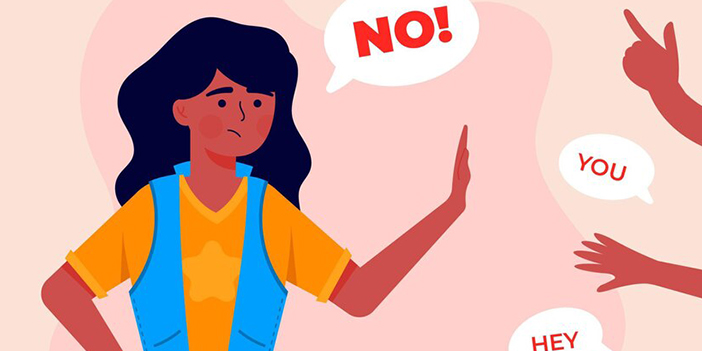
“No.” Two letters, one syllable. Simple, yet often harder to say within a family than splitting an atom. However, this tiny word is indispensable for a healthy family structure. That’s why we’re directly addressing the importance of saying “no” in the family and the practical ways to practice this art. No beating around the bush, let’s get started.
The Vital Role of “No” in Family Dynamics:
While family is woven with love and support, each individual has their own space, time, and energy. Constantly saying “yes” can disrupt this balance and lead to unhappiness. “No” is precisely what maintains this balance.
- Protecting Personal Space and Time: Everyone needs their own breathing room. This could be a physical corner or a moment of mental stillness. Constant demands within the family can invade this space. By saying “no,” you can protect this space with clear statements like, “I need to focus on my own work right now,” or “I need some rest this evening.” Remember, a tired warrior cannot fight well.
- Fostering Mutual Respect: Accepting a family member’s “no” means respecting their boundaries. Similarly, expecting your own “no” to be met with respect is your natural right. This mutual respect strengthens communication within the family and reduces conflicts. An environment where everyone doesn’t always have to say “yes” is more honest and understanding.
- Enabling Clear Communication: Saying “no” is the most direct way to clearly express what you want and don’t want. Instead of indirect expressions or hints, a clear “no” prevents misunderstandings and creates a more transparent communication environment. Remember, no one is a mind reader.
- Supporting Individual Growth: Especially for children and teenagers, learning to say “no” develops their ability to make their own decisions and take responsibility for them. Allowing children to say “no” to age-appropriate requests helps them grow into independent individuals. In an environment where everything is constantly said “yes” to, individuals may struggle to determine their own preferences and boundaries.
- Avoiding Burnout: Constantly saying “yes” to others’ demands can quickly deplete your physical and emotional energy. Not taking time for yourself, ignoring your own needs, and constantly trying to please others leads to unhappiness and burnout in the long run. By saying “no,” you can channel your energy to the right places and make time for yourself.
- Building Authentic Relationships: Honesty is fundamental in strong relationships, and saying “no” plays an important role in this. Instead of saying “yes” to avoid upsetting someone, making unrealistic promises or being insincere can harm relationships in the long run. Saying “no” honestly shows that you respect the other person and are being truthful with them.
The Challenging Paths of Saying “No”:
We understand the benefits of saying “no,” so why do we struggle to implement it? Here are some common obstacles:
- The Guilt Trip: That pang of regret we feel when we say “no,” that feeling like we’ve made a big mistake. To avoid this trap, remember that your own needs are just as important as those of others. Guilt usually stems from prioritizing others’ expectations over your own needs.
- Fear of Upsetting Loved Ones: The thought of disappointing or upsetting our family members can prevent us from saying “no.” However, remember that an honest “no” is much more respectful than a false “yes.” Short-term disappointment can prevent long-term resentment.
- The “Yes-Person” Habit: In some families, saying “yes” to everything has become a habit. Breaking this pattern can be difficult but not impossible. By starting with small steps, you can gradually strengthen your “no” muscles.
- The Pressure of Expectations: Expectations formed within the family can make saying “no” difficult. Especially if you’ve assumed certain roles (for example, the always-helpful older sister or the always-available father), you may need to communicate openly to break these expectations.
The Practical Guide to the Art of Saying “No”:
Here are step-by-step ways to say “no” effectively within the family:
- Be Direct and Unambiguous: As soon as you hear the request, give a clear and understandable “no” answer without hesitation or using vague expressions. Avoid phrases like “maybe” or “I don’t think so.” For example, use a definite statement like, “No, I won’t be able to help you with that.”
- Maintain a Respectful Tone: Pay attention to your tone of voice and body language when saying “no,” ensuring they are gentle and understanding. Avoid a harsh or dismissive attitude. For example, an approach like, “I wish I could help, but I have another commitment right now,” might be more acceptable.
- Offer Brief Explanations (When Necessary): Briefly explaining the reason for your “no” can help the other person understand you. However, there’s no need for long and complicated explanations. For example, a simple explanation like, “I’m very tired right now,” or “I already have other plans,” might suffice.
- Suggest Alternatives (If Applicable): To show that you still want to help, if there are alternatives you can offer instead of “no,” mention them. For example, you could say, “I can’t do it right now, but I can help you tomorrow.”
- Use Non-Verbal Cues: Project a confident and assertive demeanor. Make eye contact and sit or stand up straight. This will help make your “no” more effective.
- Stay Firm and Consistent: Once you’ve said “no,” try not to change your mind under pressure or manipulation. Inconsistency can lead to your boundaries being violated.
- Handle Guilt Strategically: It’s normal to feel guilty after saying “no.” Remind yourself that it’s your right to prioritize your own needs and set healthy boundaries. Be kind to yourself and accept that saying “no” is sometimes necessary.
- Prioritize Self-Care: The ability to say “no” is closely linked to your physical and emotional well-being. Getting enough rest, eating healthy, and practicing stress management techniques will help you protect your boundaries.
- Practice Makes Progress: Learning to say “no” takes time and practice. Start with small and less significant requests and gradually build your “no” muscles.
“No” in Action: Scenarios with Different Family Members:
- Saying “No” to Kids: Setting boundaries for children is vital for their healthy development. Explain the reason for your “no” in simple and understandable language and be consistent. For example, “No, you can’t watch cartoons now because it’s mealtime.”
- Saying “No” to Your Partner: Honesty and mutual respect are essential in your communication with your partner. Be gentle when saying “no” to their requests, explain your reasons, and try to find a common solution. For example, “I don’t have the energy to go out tonight, I’d like to relax at home. Maybe we can go tomorrow?”
- Saying “No” to Parents: Saying “no” to our parents can sometimes be difficult, but it’s necessary for healthy adult-child relationships. Draw your boundaries gently but firmly and show that you are in control of your own life. For example, “I understand your concerns about this, but I want to make this decision myself.”
- Saying “No” to Extended Family: It’s also important to set healthy boundaries in your relationships with your in-laws, siblings, or other relatives. Be polite when saying “no” and briefly explain your reasons. For example, “We won’t be able to come visit you this weekend because we have another event planned.”
Conclusion:
Saying “no” in the family is not rudeness or selfishness. On the contrary, it’s a way to protect your own boundaries, manage your energy correctly, and build healthier, more honest relationships. Learning and practicing this art will contribute to the overall well-being of both you and your family. Remember, sometimes saying “no” is the greatest kindness you can do for yourself and your loved ones. Now go ahead and don’t hesitate to use those two magical letters!



 Milkoholic Baby
Leave a comment