
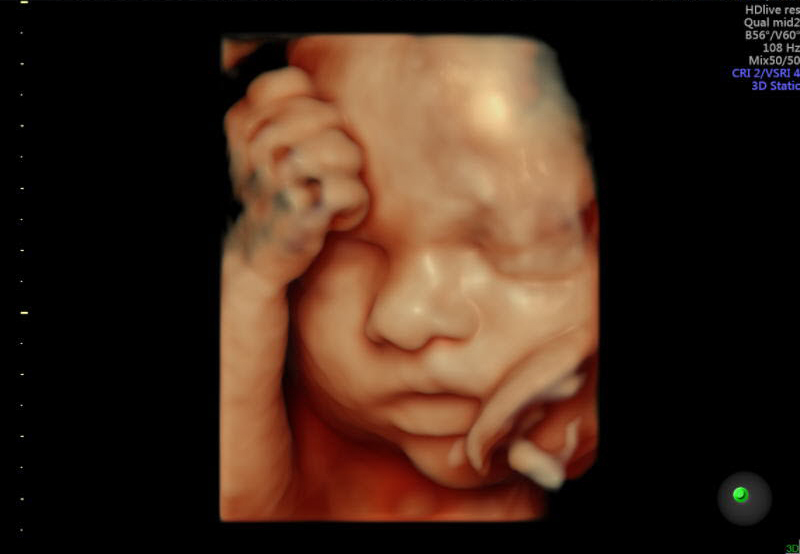
How Do Babies Sleep in the Womb? Everything You Want to Know About Baby Sleep Patterns in the Womb
Pregnancy is a fascinating journey for expectant mothers and their babies alike. Throughout the approximately 40 weeks spent in the womb, babies undergo incredible development as they prepare for the outside world. During this development process, sleep is one of the most fundamental needs. Just like after they are born, babies in the womb sleep and wake up. However, sleep patterns in the womb are quite different from sleep patterns in the outside world and are a topic of curiosity for many expectant mothers.
Questions such as “Do babies sleep in the womb?”, “How much do babies in the womb sleep?”, “How do babies’ sleep cycles develop?”, “What are the movements of a sleeping baby in the womb like?” are frequently asked and sought-after questions during pregnancy. In this blog post, we will seek scientific and comprehensive answers to these questions that puzzle expectant mothers. We will examine in detail baby sleep patterns in the womb, sleep cycles, sleep duration, and sleep habits. With this information to guide you on your pregnancy journey, you will get to know your baby’s world in the womb more closely.
Do Babies Sleep in the Womb? Yes, A Lot!
Yes, babies do sleep in the womb! In fact, they sleep much more than you might think. Babies in the womb spend a large portion of their day sleeping. In the last trimester of pregnancy, that is, in the last three months, babies spend approximately 90-95% of the day sleeping. This means they sleep almost all day and night. In the remaining time, they experience periods of being awake and active.
This long period of sleep spent in the womb is vital for the baby’s development. Sleep is necessary for many important processes such as the baby’s brain development, nervous system maturation, cell growth, and energy storage. Sleep in the womb is indispensable for the baby to have a healthy start in the outside world.
Sleep Cycles of Babies in the Womb: Active Sleep and Quiet Sleep
Just like adults and born babies, babies in the womb also have different sleep cycles. Fetal sleep cycles are basically divided into two main categories: Active Sleep (similar to REM Sleep) and Quiet Sleep (similar to Non-REM Sleep). These cycles are determined by factors such as the baby’s brain activity, eye movements, and body movements.
- Active Sleep (similar to REM Sleep): Active sleep is a sleep stage where rapid eye movements (REM) are observed and brain activity is high. During active sleep in the womb, the baby’s eyes move rapidly, their body may twitch, their facial expressions may change, and their heartbeat may become irregular. Brain activity shows characteristics similar to REM sleep in adults. This sleep stage is thought to be important for brain development, the establishment of nervous system connections, and learning processes. During active sleep, babies are more sensitive to external stimuli and are more likely to wake up.
- Quiet Sleep (similar to Non-REM Sleep): Quiet sleep is a deeper and more restful sleep stage compared to active sleep. During this sleep, the baby’s eye movements slow down or stop, body movements decrease, muscle tone decreases, and the heartbeat becomes regular. Brain activity is slower. Quiet sleep is important for physical growth, energy conservation, and body rest. During quiet sleep, babies are less sensitive to external stimuli and are more difficult to wake up.
Sleep cycles of babies in the womb are shorter than adult sleep cycles. A sleep cycle is formed by active sleep and quiet sleep following each other. In babies in the womb, a sleep cycle lasts approximately 20-45 minutes. These cycles are repeated throughout the day.
When Do Fetal Sleep Cycles Develop?
The development of fetal sleep cycles takes place in the later periods of pregnancy. In the first trimester (first three months), baby sleep cycles are not yet distinct. However, from the beginning of the second trimester, that is, from about the 20th week onwards, active and quiet sleep cycles begin to be distinguished. Between weeks 28-32, sleep cycles become more regular and distinct. In the last weeks of pregnancy, babies’ sleep cycles begin to resemble adult sleep cycles more closely.
The development of fetal sleep cycles is closely related to the maturation of the baby’s brain and nervous system. As the brain develops, the mechanisms that regulate sleep cycles also develop, and sleep becomes more organized.
How Much Do Babies Sleep in the Womb? Sleep Duration
The sleep duration of babies in the womb varies according to the week of pregnancy. Sleep durations are shorter and more irregular in the early stages of pregnancy, while sleep durations become longer and more regular as pregnancy progresses.
In general, the sleep durations of babies in the womb can be summarized as follows:
- Weeks 20-28: Average 16-20 hours of sleep per day. Sleep cycles may be short and irregular.
- Weeks 28-36: Average 20-22 hours of sleep per day. Sleep cycles become more regular. Active sleep and quiet sleep stages become more distinct.
- Weeks 36-40 (Near Birth Period): Average 18-20 hours of sleep per day. Sleep duration may decrease slightly, but they still spend most of the day sleeping. Sleep cycles have matured more and become closer to adult sleep cycles.
These sleep durations are average values and may vary from baby to baby. Some babies may sleep more, while others may sleep less. What is important is that there is no abnormality in the baby’s general movement pattern and growth process.
What Factors Affect Baby Sleep Patterns in the Womb?
The sleep pattern of the baby in the womb can be affected by both baby-related factors and maternal and environmental factors. Some of these factors are:
- Gestational Week: As mentioned above, baby sleep cycles and sleep durations change as the gestational week progresses. With the maturation of the brain and nervous system, the sleep pattern becomes more organized.
- Baby’s Individual Characteristics: Just like after birth, babies in the womb may have different individual sleep needs. Some babies may need to sleep more, while others may sleep less. Genetic factors and the baby’s temperament may affect the sleep pattern.
- Mother’s Diet and Lifestyle: Factors such as the mother’s diet, sleep habits, stress level, and physical activity level can indirectly affect the baby’s sleep pattern. For example, irregular eating or excessive stress in the mother may negatively affect the baby’s sleep cycles.
- Environmental Factors: The intrauterine environment is a different environment for the baby than the outside world. However, the intrauterine environment can also be affected by some environmental factors. External stimuli such as sounds, light, and temperature that the mother is exposed to may slightly affect the baby’s sleep pattern. For example, loud music or excessively bright light may cause the baby to wake up. However, it should be remembered that the intrauterine environment has a protective structure against external stimuli.
How Does an Expectant Mother Understand if Her Baby in the Womb is Sleeping?
Expectant mothers usually understand whether their baby in the womb is sleeping or awake from the baby’s movements. When the baby is sleeping, their movements decrease or stop completely. When awake, their movements increase, they kick, turn, and stretch. However, this is not always a definitive indicator. Because babies can also make slight movements such as twitching or facial expressions during active sleep.
However, expectant mothers can get an idea about their baby’s sleep habits by tracking their baby’s general movement pattern. For example, they may notice that the baby is more active at certain times of the day and quieter at certain times. Observations such as “My baby is more active in the mornings and quieter in the evenings” can give clues about the baby’s sleep pattern.
Does a Sleeping Baby in the Womb Remain Motionless?
A sleeping baby in the womb does not remain completely motionless. Especially during active sleep, babies may make slight movements. Twitching, sudden jerks, facial expressions, and even short-term arm or leg movements can be seen during active sleep. However, during quiet sleep, babies’ movements decrease considerably, and they remain almost motionless.
If an expectant mother has not felt her baby’s movements for a while and suspects that the baby is sleeping, it is recommended to wait a little and check the movements again instead of worrying. Usually, the baby will wake up soon and start moving.
Frequently Asked Questions and Misconceptions
- Is baby sleep in the womb similar to adult sleep? There are both similarities and differences. Baby sleep cycles in the womb include active and quiet sleep stages, just like in adults. However, cycle durations are shorter, and the sleep pattern is different. Sleep in the womb is more focused on brain development and growth.
- Do babies dream in the womb? Since brain activity is high during active sleep, it is thought that babies may experience dream-like experiences. However, since the concept of dream is a conscious experience, it is not definitively known whether babies in the womb fully dream.
- Is my baby too active, not sleeping at all? Every baby is different, and the level of activity may vary. Even if you think your baby is very active, remember that they spend most of the day sleeping. Active periods are the times when they are awake and active.
- My baby’s movements have decreased, could they be sleeping? Yes, your baby may be sleeping. If you notice a decrease in your baby’s movements, instead of panicking, wait a little and check again. If the movements are still reduced or you are worried, it is advisable to consult your doctor.
In Conclusion…
Babies sleep in the womb, and this sleep is vital for their healthy development. Baby sleep patterns in the womb consist of active and quiet sleep cycles, and they spend most of the day sleeping. Sleep in the womb supports many important processes such as baby’s brain and nervous system development, physical growth, and energy storage.
Expectant mothers can get an idea about their baby’s sleep pattern by tracking their baby’s movements. However, they should not hesitate to consult their doctor in case of any concern. Sleep in the womb is an important part of the baby’s preparation for the outside world and is one of the most basic needs for this miraculous process to proceed healthily. While exploring your baby’s world in the womb during your pregnancy journey, it is important to respect their sleep pattern and support their healthy development.
I hope this blog post has provided a comprehensive and informative answer to the question “How do babies sleep in the womb?”. I wish you and your baby health and happiness in your pregnancy journey.
In Summary and Common Questions:
In this article, we sought comprehensive answers to the question ” do babies sleep in the womb?” and learned that little ones in the womb actually spend most of their day sleeping. While searching for the answer to the question ” how do babies sleep in the womb?“, we examined fetal sleep cycles, sleep durations, and affecting factors in detail. Now we know that the answer to the question ” can babies sleep in the womb?” is definitely yes, and this sleep is vital for their healthy development. If you are also wondering ” what is a baby sleeping in the womb doing?” while observing your baby’s movements during your pregnancy, we hope this article has cleared up the questions in your mind. Remember, every mother and baby experience is different. Do not hesitate to consult your doctor with any concerns and enjoy this miraculous journey.



 Milkoholic Baby
Leave a comment