
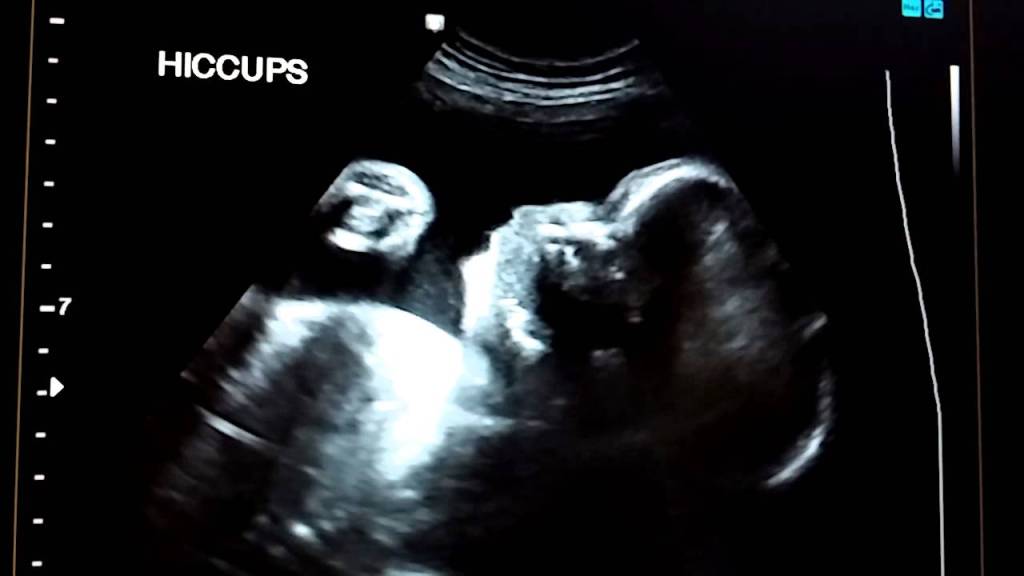
Do Babies Hiccup in the Womb? Understanding Baby Hiccups in the Womb
Pregnancy is one of the most miraculous and exciting times in a woman’s life. During this period, expectant mothers eagerly follow every movement of the tiny being developing in their body and womb. The baby’s first kicks, turns, stretches… All these movements play an important role in establishing that unique bond between mother and baby. However, some expectant mothers feel rhythmic and regular movements in their bellies. It is at this point that one of the questions that comes to mind is, “Do babies hiccup in the womb?”
So, are these intriguing rhythmic movements really baby hiccups? Why do babies hiccup in the womb? Are hiccups normal, or is there cause for concern? In this blog post, we will seek scientific and comprehensive answers to these questions that puzzle expectant mothers. We will examine in detail what baby hiccups mean, why they occur, when they start, and what to pay attention to. With this information to guide you on your pregnancy journey, you will further strengthen the bond with your baby.
Rhythmic Movements Felt in the Womb: Hiccups or Not?
In the second and third trimesters of pregnancy, many expectant mothers feel regular and rhythmic movements in their bellies. These movements are usually light and vibrational in nature. Mothers describe them as feelings like “pat, pat” or “tick, tick”. Expectant mothers who feel these rhythmic movements for the first time are usually excited and wonder what the baby is doing. The first thought that usually comes to mind is, “Is my baby hiccuping?”
In fact, these rhythmic movements felt in the womb are very likely baby hiccups. Medical experts and research confirm that babies in the womb can indeed hiccup. This condition, also known as fetal hiccups, is a normal and physiological event that babies experience while in the womb.
However, it is important to note that not every rhythmic movement in the womb is a hiccup. The baby’s turning, stretching, and moving their arms and legs can also cause different types of movements in the belly. So, how can we distinguish baby hiccups from other movements?
Characteristics of Baby Hiccups:
- Rhythmic and Regular: The most distinctive feature of baby hiccups is that they are felt rhythmically and at regular intervals. They usually have a fixed rhythm, repeating several times per minute.
- Light Vibrations: Hiccups are usually felt as soft and light vibrations. They are different from stronger and more sudden movements like kicks or punches.
- Short Duration: Baby hiccups are usually short-lived. They can last from a few minutes to a few tens of minutes, but they usually do not last long.
- Felt in the Same Area: Baby hiccups are usually felt in the same area of the belly, at a fixed point. They may shift location depending on the baby’s position, but they usually concentrate in a specific area.
These characteristics can help you distinguish baby hiccups from other fetal movements. If you feel regular, rhythmic, and light vibrations in your belly, you are most likely experiencing your baby’s hiccups.
Why Do Babies Hiccup in the Womb? Scientific Explanations
The question of why babies hiccup in the womb has been a subject of research by scientists and doctors for many years. Although the exact cause of hiccups is not fully known, there are various theories and scientific explanations. The most widely accepted theories are as follows:
- Lung Development and Breathing Practice: One of the most important reasons for baby hiccups is related to lung development and breathing practice. Babies in the womb perform hiccup-like breathing movements to develop their lungs and prepare for breathing after birth. Hiccups occur with the contraction of the diaphragm muscle, and these contractions help strengthen the baby’s respiratory muscles. At the same time, the filling and emptying of amniotic fluid into the lungs contributes to the maturation of the lungs. Therefore, we can think of baby hiccups as a preparation exercise for birth.
- Digestive System Development: Another theory suggests that baby hiccups may be related to digestive system development. Babies in the womb swallow amniotic fluid. This fluid is important for the development of the baby’s digestive system. Hiccups may help regulate the baby’s process of swallowing and digesting amniotic fluid. In addition, it is thought that hiccups stimulate stomach and esophageal movements, thereby developing the functions of the digestive system.
- Reflex Mechanism: Some experts think that baby hiccups are a reflex mechanism. The hiccup reflex is controlled by a center in the brainstem. This reflex can be triggered by various stimuli. Although what these stimuli are in babies in the womb is not fully known, it is thought that nervous system development and environmental factors may play a role. The hiccup reflex may contribute to the maturation of the baby’s nervous system and the development of reflexes.
- Amniotic Fluid Amount: Sudden changes in the amount of amniotic fluid or changes in the baby’s position can also trigger hiccups. Excessive swallowing of amniotic fluid or conditions such as stomach fullness can stimulate the diaphragm muscle and initiate the hiccup reflex.
All of these theories show that baby hiccups are a normal and beneficial process for babies in the womb. Hiccups play an important role in the development of the baby’s vital systems and preparation for life after birth.
When Do Baby Hiccups Start and How Often Do They Occur?
Baby hiccups usually begin to be felt in the second trimester of pregnancy, around 20-24 weeks. However, some expectant mothers may feel hiccups earlier or later. Since every expectant mother’s and every baby’s experience may be different, it is difficult to give a definite time frame.
The frequency of hiccups also varies from baby to baby and gestational week. Some babies hiccup several times a day, while others may hiccup less frequently. The duration of hiccups is also variable. They can last from a few seconds to a few minutes.
In general, baby hiccups become more pronounced and regular after the 28th week of pregnancy. After the 32nd week, the frequency and duration of hiccups may begin to decrease. Closer to birth, hiccups may disappear almost completely.
There is no definite “normal” range regarding the frequency and duration of baby hiccups. However, experiencing short-lived hiccups a few times a day is generally considered normal. If your baby’s hiccups are very frequent, long-lasting, or severe, it is advisable to consult your doctor.
Are Baby Hiccups Normal, Should I Be Concerned?
In most cases, baby hiccups are completely normal and healthy. As mentioned above, hiccups can be beneficial for the baby’s development and are usually not a cause for concern.
However, in some cases, baby hiccups may be a sign of an underlying problem. It is important to consult your doctor, especially in the following situations:
- Sudden Increase in Frequency or Severity of Hiccups: If your baby’s hiccups suddenly become very frequent or very severe, this condition should be evaluated by a doctor. In rare cases, excessive hiccups may be a symptom of problems such as cord compression.
- Other Abnormal Symptoms with Hiccups: If there are also symptoms such as decreased fetal movement, leaking of fluid, bleeding, or severe abdominal pain along with hiccups, consult your doctor immediately. These symptoms may be signs of conditions requiring urgent intervention.
- Hiccups Continuing or Increasing After 36 Weeks: Baby hiccups are generally expected to decrease or disappear after 36 weeks. If hiccups continue or increase after 36 weeks, it is advisable to talk to your doctor.
Remember that these situations are rare, and most baby hiccups are normal. However, if you have any concerns or notice a change in your baby’s movements, do not hesitate to consult your doctor. Your doctor will evaluate your baby’s health and provide you with the necessary guidance.
How to Distinguish Baby Hiccups? Comparison with Other Baby Movements
Distinguishing baby hiccups from other fetal movements can sometimes be difficult, especially in early pregnancy or for expectant mothers who are feeling fetal movements for the first time. However, by careful observation and considering the characteristics we mentioned above, it is possible to distinguish hiccups from other movements.
Here are some points comparing baby hiccups with other baby movements:
- Kicks and Punches: Kicks and punches are usually stronger and more sudden movements. They feel more pronounced and sharp. Hiccups, on the other hand, give a lighter and vibrational feeling. Kicks and punches usually come at irregular intervals, while hiccups are rhythmic and regular.
- Turning and Stretching Movements: Babies’ turning and stretching movements are felt in a wider area and are usually longer in duration. They can be felt all over the belly or in different areas of the belly. Hiccups are more localized and are usually felt at a fixed point.
- Gas Pains or Bowel Movements: The mother’s gas pains or bowel movements can also cause movements in the belly. However, these movements are usually more irregular and intermittent. Baby hiccups have a more regular and rhythmic structure. Also, gas pains or bowel movements are usually accompanied by digestive system-related symptoms (abdominal pain, bloating, etc.), while baby hiccups are usually not associated with any additional symptoms.
If you are still unsure, observe your baby’s movements for a while and pay attention to how you feel. If you feel rhythmic, regular, and light vibrations, you are most likely experiencing baby hiccups. If your doubt persists or you are worried, consulting your doctor will be the most appropriate course of action.
Are There Factors That Trigger Baby Hiccups?
Although the exact triggers for baby hiccups are not fully known, there are some theories that certain factors may affect the frequency or duration of hiccups:
- Mother’s Diet: Some expectant mothers may notice that baby hiccups increase after consuming certain foods or drinks. Especially sugary or caffeinated drinks may affect the baby’s mobility and therefore hiccups. However, there is no scientific evidence for this, and every expectant mother’s experience may be different.
- Mother’s Stress: There are some anecdotes that baby hiccups increase during periods when the mother is stressed or anxious. It is thought that stress hormones may trigger the hiccup reflex by affecting the baby’s nervous system. However, there is not enough scientific data on this issue either.
- Baby’s Position: The baby’s position in the womb may also affect the frequency of hiccups. Positions that put pressure on the baby’s diaphragm may trigger the hiccup reflex.
More research is needed on how these factors affect baby hiccups. However, for a healthy pregnancy, it is always important to eat a balanced diet, avoid stress, and follow your doctor’s recommendations.
Are There Benefits of Baby Hiccups?
Baby hiccups are not only a normal physiological event, but they may also have some benefits for the baby’s development:
- Development of Lungs and Respiratory Muscles: Hiccups strengthen the baby’s respiratory muscles and contribute to the maturation of the lungs. In this way, the baby is better prepared for their first breath after birth.
- Digestive System Development: Hiccups stimulate the movements of the baby’s digestive system and regulate the process of swallowing and digesting amniotic fluid. This helps in the development of the functions of the digestive system.
- Reflex Development: The hiccup reflex contributes to the maturation of the baby’s nervous system and the development of reflexes. These reflexes make it easier for the baby to adapt to life after birth.
Baby hiccups are part of the miraculous development in the womb and contribute to the baby’s healthy growth.
In Conclusion…
The answer to the question “Do babies hiccup in the womb?” is definitely yes. Babies in the womb do hiccup, and this is usually a completely normal and healthy occurrence. Baby hiccups provide important benefits such as lung and digestive system development and reflex maturation.
Expectant mothers can feel baby hiccups in the second and third trimesters of pregnancy as regular, rhythmic, and light vibrations. Hiccups are usually short-lived and may recur several times a day.
In most cases, baby hiccups are not a cause for concern. However, it is important to consult your doctor if there is a sudden increase in the frequency or severity of hiccups, other abnormal symptoms along with hiccups, or if hiccups continue after 36 weeks.
Remember that every pregnancy and every baby is different. Tracking your baby’s movements, getting to know them, and consulting your doctor with any concerns will help you have a healthy and peaceful pregnancy. Accept baby hiccups as a sign of that special bond between you and your baby, and enjoy this miraculous journey.



 Milkoholic Baby
Leave a comment