
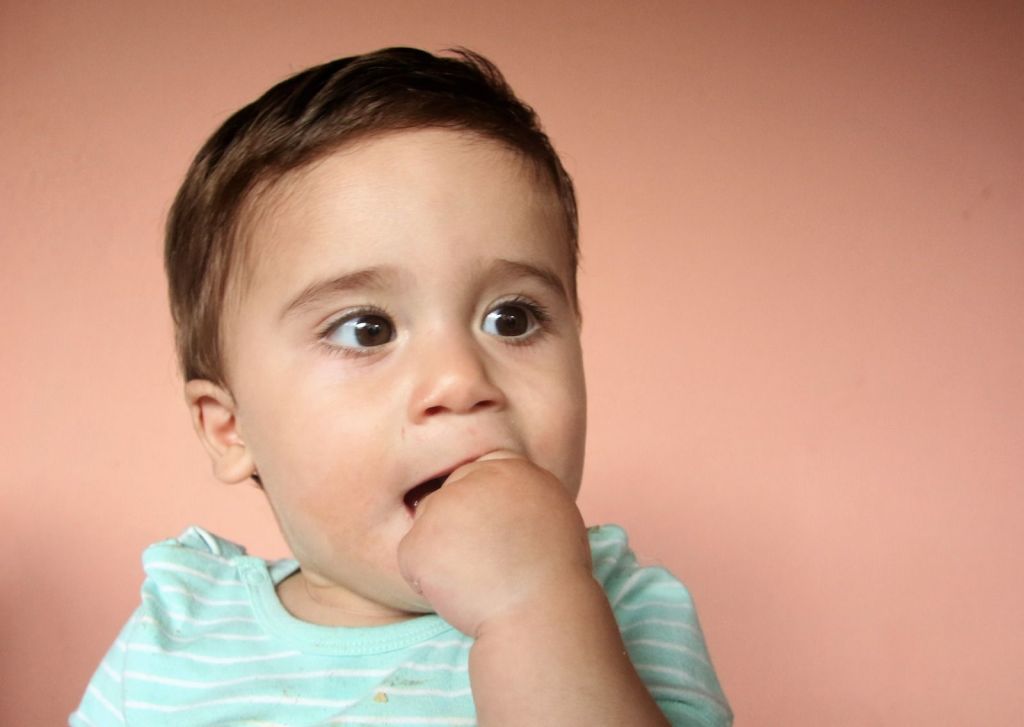
One of the most frequent behaviors that parents of babies encounter, and sometimes observe with concern, is the tendency of babies to put everything in their mouths. Toys, hands, feet, clothes, keys, remote controls… virtually every object your baby can reach soon becomes acquainted with their mouth. While this situation understandably concerns parents from a hygiene and safety perspective, this behavior of babies is actually a very natural, healthy, and developmentally important process. So, why do babies put everything around them in their mouths with such curiosity? What are the hidden reasons and developmental benefits behind this behavior? In this article, we will examine in detail the common reasons for babies’ behavior of putting everything in their mouths and the importance of this behavior.
Mouth: The Center of Sensory Exploration
When babies are born, one of the most important sensory organs they use to explore their surroundings is their mouth. For babies whose vision abilities are not yet fully developed and whose skills in manipulating objects with their hands are limited, the mouth acts as a center of sensory exploration.
The mouth region is one of the most sensitive areas of the body and is richest in nerve endings. When babies put objects in their mouths, they gain intense sensory information about the texture, shape, temperature, hardness, softness, and even taste of the objects. The tongue, lips, and palate can perceive the sense of touch with extreme sensitivity. By experiencing different objects with their mouths, babies begin to understand the sensory characteristics of the world around them. This oral exploration makes significant contributions to babies’ learning and cognitive development processes. A new toy, a different piece of fabric, or even a simple block transforms into a new world in babies’ mouths.
Oral Stage: A Natural Stage of Development
In the field of psychology, especially in Sigmund Freud’s psychoanalytic theory, infancy is called the oral stage. This period lasts from birth to approximately 18 months of age, and the mouth is considered the most important source of pleasure and tool for exploration for babies.
In the oral stage, babies meet their basic needs (nutrition) through oral activities such as sucking, licking, and biting, and they also get to know their surroundings and their bodies. Experiencing the world with their mouths is a natural and healthy part of the oral stage. The tendency of babies to put everything in their mouths during this period should be evaluated not only as a bad habit or a hygiene problem but also as a developmental need. A baby’s healthy passage through the oral stage is also important for their psychological and emotional development in later periods. It is thought that preventing or excessively suppressing the oral stage can lead to problems such as insecurity, dependence, or oral fixation in babies.
Supporting Hand-Eye Coordination and Motor Skills
Babies putting everything in their mouths is not limited to sensory exploration. This behavior also supports the development of motor skills. Especially for babies whose hand-eye coordination and fine motor skills are still developing, the act of bringing objects to the mouth offers an important practice area.
When babies see an object, they try to reach for it, grab it, and bring it to their mouths. This process helps the development of hand-eye coordination. Grabbing, holding, and directing the object to the mouth strengthens babies’ arm, hand, and finger muscles. The act of bringing to the mouth also increases babies’ spatial perception and body awareness. They learn through trial and error how far objects are from the mouth and how to reach the mouth. These motor skills form the basis of more complex activities such as eating, dressing, and playing with toys in later periods.
Relaxation and Self-Soothing Mechanism
Babies do not only put everything in their mouths to explore or develop motor skills. For some babies, the mouth can also be a tool for relaxation and self-soothing. Especially when they are tired, sleepy, restless, or slightly stressed, babies may try to find peace through oral activities such as sucking, licking, or biting.
Behaviors such as thumb sucking, pacifier use, or putting objects in the mouth can have a calming effect on babies’ nervous systems. Oral activities can trigger the release of endorphins, creating feelings of relaxation, security, and comfort in babies. Therefore, babies putting everything in their mouths should be evaluated not only as a habit or a bad behavior, but also as a way of meeting their emotional needs and managing stress. Especially the increased sensitivity and itching around the mouth during teething can also further encourage babies to put objects in their mouths.
Increased Need During Teething Period
The teething period is a time when babies’ tendency to put everything in their mouths reaches its peak. Itching, pain, and sensitivity in the gums create intense discomfort in babies. To alleviate this discomfort, babies feel the need to constantly put objects around them and even their hands and fingers in their mouths.
Biting, chewing, or sucking on objects can provide temporary relief by applying pressure to the gums. Therefore, babies’ behavior of putting everything in their mouths intensifies and becomes more frequent during the teething period. It is important for parents to help their babies meet this need in a healthy way during teething by offering them safe and clean teething rings or chew toys. Cold teething rings can provide relief by numbing the gums.
Development of Taste and Texture Preferences
Babies’ oral explorations are not limited only to the physical properties of objects. It also contributes to the development of taste and texture preferences. As babies put different objects in their mouths, they experience different tastes and textures. These experiences can affect eating habits and food preferences in later periods.
Recognizing the textures of different vegetables, fruits, lumpy or soft foods with their mouths makes it easier for babies to get used to new tastes and textures. Oral exploration also helps babies develop chewing and swallowing skills. Therefore, allowing babies to engage in oral exploration in a controlled manner and with safe objects is important for laying the foundation for healthy eating habits.
Safety and Hygiene Measures: Responsibilities of Parents
Although babies putting everything in their mouths is developmentally important and natural, parents need to be careful about safety and hygiene. Minimizing potential hazards that babies can put in their mouths and providing a healthy exploration environment is the responsibility of parents.
- Baby Safety Precautions: Completely remove small, swallowable objects (buttons, beads, small toy parts, etc.) from the environments accessible to babies. Cover furniture edges, sharp corners, and cables with protectors. Remove toxic substances (detergents, medicines, chemical liquids, etc.) from the floor. Regularly check babies’ play area and surroundings.
- Pay Attention to Hygiene Rules: Frequently clean and disinfect toys and objects that babies are likely to put in their mouths. Especially do not give your baby objects from outside and toys that have fallen on the floor without cleaning them. Regularly wash babies’ hands. Pay attention to the cleanliness of the environment around your baby.
- Keep Under Supervision: Even if you make your baby’s surroundings safe, always keep them under supervision. Babies can move unexpectedly quickly and reach dangerous objects. Closely monitor your baby’s explorations and be prepared to intervene in dangerous situations.



 Milkoholic Baby
Leave a comment