
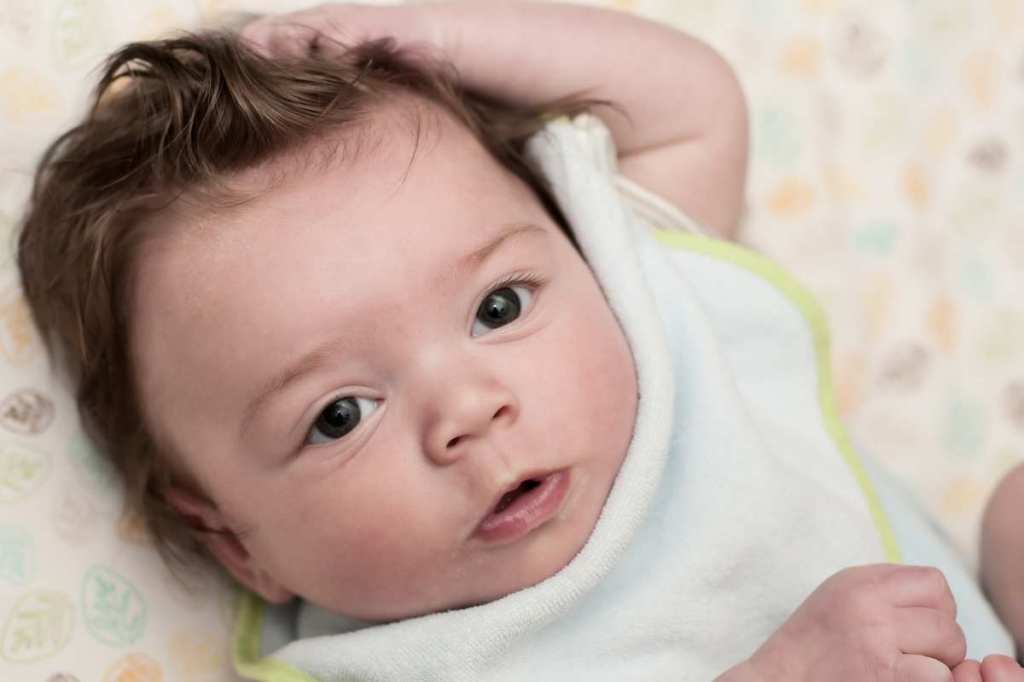
Babies exhibit various behaviors during their growth and development, many of which can be a source of both curiosity and sometimes concern for parents. One of the frequently observed and puzzling behaviors in babies is pulling their own hair. Babies who tug, pluck, or simply twirl their hair with their tiny hands may repeat this action over and over. So, why do babies pull their hair? What are the underlying reasons for this behavior, and what should parents do about it? In this article, we will explore the common reasons behind babies’ hair-pulling behavior and provide recommendations for parents regarding this issue.
Common Reasons for Hair Pulling: A Behavior with Multifaceted Meanings
Baby hair pulling is a complex behavior that is not attributable to a single cause but can arise from the interaction of various factors. Understanding the underlying reasons for this behavior helps parents adopt the correct approach. Here are the most common reasons why babies pull their hair:
- Sensory Exploration and Curiosity: Babies explore the world through their senses. Touch, taste, sight, hearing, and smell are fundamental tools for them to recognize their surroundings and their own bodies. Hair has an interesting texture and feel for babies. The different touch of hair roots on the scalp, the slipperiness and movement of hair strands can attract babies’ sensory curiosity. By tugging at their hair, babies try to experience how it feels, how it moves, and what reactions it creates. This is entirely part of a sensory exploration and learning process.
- Motor Skill Development: Baby hair pulling is also closely related to the development of motor skills. Especially babies whose hand-eye coordination and grasping skills are not yet fully developed find the opportunity to practice these skills by pulling their hair. Trying to catch their hair, grasping and pulling hair strands with their fingers strengthens babies’ fine motor skills and hand muscles. This action also contributes to the development of cooperation between hand and eye, laying the foundation for acquiring more complex motor skills in later periods.
- Self-Soothing and Relaxation: Some babies use hair pulling as a method of self-soothing and relaxation. When tired, sleepy, restless, or slightly stressed, babies may try to calm themselves by pulling their hair, twirling it around their fingers, or shaking their heads. The rhythmic and repetitive nature of hair pulling can have a soothing effect on some babies. This behavior is more frequently observed, especially before falling asleep or in crowded environments. Just like thumb sucking or pacifier use, hair pulling can also be a self-soothing mechanism for some babies.
- Frustration and Form of Communication: Since babies do not yet have the ability to speak, they express their feelings and needs through different behaviors. Hair pulling, in some cases, can be a way for babies to express their frustrations or dissatisfaction. In situations such as hunger, sleepiness, discomfort, boredom, or overstimulation, babies may try to send a message to their environment by pulling their hair. In this case, hair-pulling behavior can act as a call for the baby’s needs to be met. It is important for parents to observe the baby’s hair-pulling behavior along with other communication signals such as crying and restlessness, trying to understand what the baby is trying to convey.
- Teething Period: The teething period can be quite uncomfortable for babies. Itching, pain, and sensitivity in the gums can lead to restlessness and various behavioral changes in babies. Some babies may pull their hair during teething to relieve discomfort in their gums. The act of hair pulling may provide temporary relief by applying pressure to the scalp and gums. If your baby is showing teething symptoms (drooling, gum rubbing, fussiness, etc.) and is pulling their hair, this situation may be related to teething.
- Attention Seeking and Interaction Search: Babies have a great need to interact with their environment and especially with their parents. Hair-pulling behavior, for some babies, can be a method of seeking attention and initiating interaction. Babies realize that when they pull their hair, their parents react (surprise, warning, pulling their hand away, etc.). These reactions can mean a type of social interaction for babies. Babies may learn to use hair pulling to attract their parents’ attention, play with them, or simply seek closeness.
When to Worry: Limits of Hair Pulling Behavior
Although baby hair pulling is generally considered a normal developmental behavior, in some cases, there may be different reasons or problems underlying this behavior. It may be helpful to consult a doctor or specialist consultant in the following situations:
- Excessive and Obsessive Hair Pulling: If the baby is pulling their hair constantly and intensely, if this behavior is frequently repeated during the day and negatively affects the baby’s daily activities, it may be necessary to consult a specialist.
- Hair Loss and Scalp Irritation: If noticeable hair loss (formation of bald patches) or problems such as redness, irritation, and wounds on the scalp occur as a result of hair-pulling behavior, it is important to seek medical help.
- Hair Pulling Causing Crying or Restlessness: If the baby seems to be crying, in pain, or if hair-pulling behavior is accompanied by the baby’s general restlessness and irritability, it is important to investigate the cause of this situation and take appropriate measures.
- Association with Other Developmental Problems: If hair-pulling behavior is seen in conjunction with delays or problems in other developmental areas of the baby (motor skills, social interaction, communication, etc.), it may be beneficial to seek expert opinion for a comprehensive evaluation.



 Milkoholic Baby
Leave a comment