
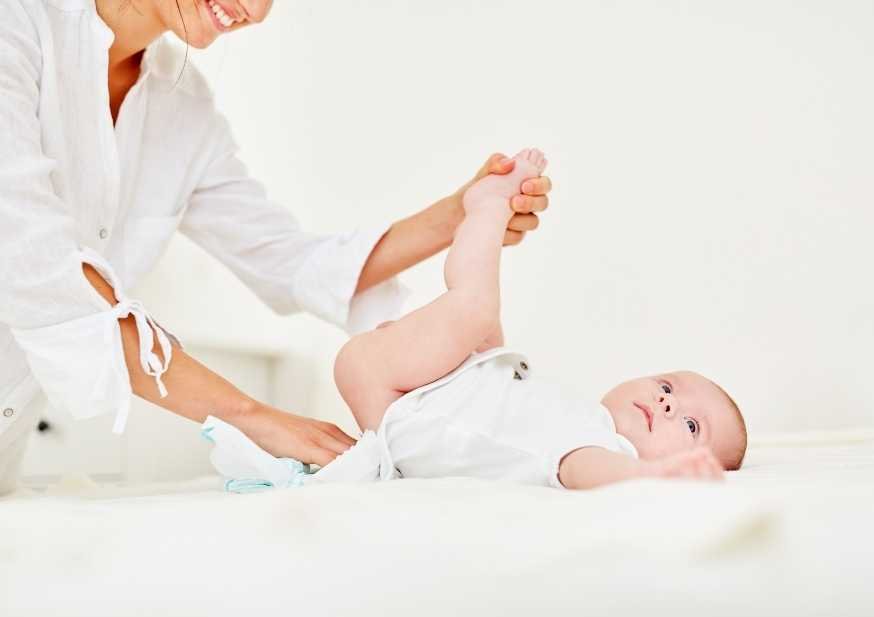
One of the most fundamental and frequently repeated routines in a newborn’s life is undoubtedly the diaper changing process. Although it may seem a bit complicated and daunting at first, with practice over time, this process becomes quite easy and can even turn into an opportunity to build a special bond with your baby. In this blog post, we will cover the baby diaper changing process in all its details and provide you with all the information you need to become an expert in this regard.
Preparation Phase: Have Everything at Your Fingertips
Before starting the diaper changing process, it is very important to prepare all the materials you need. This will both make your job easier and ensure your baby’s comfort. Here are the materials you will need:
- A clean diaper: Choose a diaper suitable for your baby’s age and weight. You can prefer diapers specially designed for newborns with a navel cord notch.
- Wet wipes or cotton and warm water: You can use alcohol-free, fragrance-free wet wipes or cotton balls dipped in warm water to clean your baby’s delicate skin.
- Diaper changing mat: Use an easily cleanable mat that you can spread on the diaper changing table or a flat surface.
- Diaper rash cream: You can use a cream containing zinc oxide to protect your baby’s skin from diaper rash.
- Clean clothes: Prepare a clean onesie or bodysuit to dress your baby after the diaper changing process.
- Toy or distracting object: Have a small toy or an object that will attract your baby’s attention to distract them and make the diaper changing process more enjoyable.
- Garbage bag: Prepare a garbage bag to dispose of the used diaper.
Step-by-Step Diaper Changing Process
- Wash your hands: Wash your hands thoroughly with soap and water before starting the diaper changing process. This is very important to protect your baby from infections.
- Prepare your baby: Lay your baby on their back on the diaper changing mat. Talk to your baby, sing, or play with a toy to distract them.
- Remove the dirty diaper: Open the dirty diaper’s fasteners and fold the diaper from front to back, removing it from between your baby’s legs. Do not throw the diaper into the garbage bag immediately, as you can spread it under your baby while cleaning their skin.
- Clean your baby’s skin: Gently clean your baby’s genital area and bottom using wet wipes or cotton. Always clean from front to back in female babies. This is very important to prevent urinary tract infections. In male babies, gently clean under the foreskin.
- Dry your baby’s skin: Gently dry your baby’s skin with a clean towel or cloth. Make sure the skin is completely dry, as moisture can cause diaper rash.
- Apply diaper rash cream: If your baby’s skin is red or irritated, apply a thin layer of diaper rash cream.
- Put on the clean diaper: Place the clean diaper under your baby. Adjust the front of the diaper so that it is below the navel. Firmly attach the diaper’s fasteners to your baby’s waist, but be careful not to make it too tight.
- Dress your baby: Dress your baby in clean clothes and spend some time with your baby.
Tips and Tricks
- Newborn babies can have their diapers changed 10-12 times a day.
- Change your baby’s diaper after every feeding and after every bowel movement.
- If you notice redness, irritation, or rash on your baby’s skin, consult your doctor.
- In male babies, care should be taken to ensure that the penis is pointing downwards when fastening the diaper. Upward pointing can cause the diaper to leak.
- Until your baby’s umbilical cord falls off, fold the top of the diaper so that it is below the navel.
- Talk to your baby, sing, or play games while changing their diaper. This will both help your baby relax and strengthen the bond between you.
- Always perform the diaper changing process in a safe environment. Never leave your baby alone on the diaper changing table.
Additionally
As babies grow, the frequency of diaper changes decreases. However, every baby is unique. Therefore, you will find the best method yourself as you learn your baby’s habits.
I hope this information helps you with baby diaper changing and helps you turn this process into an enjoyable experience.


 Milkoholic Baby
Leave a comment