

When babies are born, crying is their primary way of communication. Since they haven’t yet developed speech, they use cries to express their needs, discomforts, and emotions. For new parents, these cries can initially be confusing, even alarming. However, it’s crucial to understand that baby cries are not just random noises, but rather a language with specific meanings. Decoding baby cries helps us better understand their needs, provide better care, and strengthen the bond between us.
Basic Reasons for Crying: Common Needs
The most common reasons for babies crying stem from their basic needs. Meeting these needs is essential to stop their crying and ensure their comfort. Here are the most frequent reasons babies cry and the possible meanings of these cries:
- Hunger: Hunger is one of the most common reasons babies cry. Hunger cries usually start rhythmically, in a low pitch, and gradually increase in tone. As babies get hungrier, their cries become more intense and they become more restless. If your baby’s feeding time is approaching or it’s been a long time since their last feeding, their cry is likely due to hunger.

Sleepiness: Tiredness is also a frequent cause of crying in babies. Babies needing sleep usually cry with whimpering and fussiness. These cries can often be higher pitched, intermittent, and irritable in tone. If your baby’s bedtime has arrived or they haven’t slept enough during the day, their cry may be due to sleepiness. Taking them to a calm environment and trying to put them to sleep may soothe their crying.
Gas Pains and Discomfort: Babies’ digestive systems are not yet fully developed, so gas pains can occur frequently. Gas pains can cause intense, high-pitched, and sharp cries in babies. Babies may clench their stomachs, pull their legs up, and appear restless when they have gas pains. Burping them, gently massaging their stomach, or giving them a warm bath can help them relax. Additionally, clothing or diapers that are too tight can also cause discomfort and crying in babies. Check your baby’s clothes and diaper to ensure they are comfortable.
Overstimulation and Fatigue: Babies, especially when exposed to too many stimuli during the day, can easily become overstimulated. Overstimulation can cause restlessness, irritability, and crying in babies. These cries are often high-pitched, sharp, and panicked. If you think your baby is overstimulated, take them to a calm and quiet environment, dim the lights, and try to soothe them by holding them in your arms.

Feeling Cold or Hot: Babies are more sensitive to temperature changes than adults. Feeling cold or overheating can cause discomfort and crying in babies. Babies who are cold usually cry in a shivering and whimpering manner, and their skin may feel cold. Babies who are hot, on the other hand, may cry in a sweaty, flushed, and restless manner. Check your baby’s body temperature, dress them appropriately, and adjust the room temperature.

Cry Tones and Meanings: Catching Hidden Clues
Baby cries carry different meanings not only because of their reasons but also through their tones, intensities, and rhythms. Noticing these subtle differences in cry sounds can help you better understand what your baby is trying to tell you.
- Hunger Cry: Rhythmic, starting in a low pitch and gradually increasing in tone. It may have a repeating rhythm like “Ne-ah, Ne-ah, Ne-ah.”
- Pain Cry: Starts suddenly, high-pitched, sharp, and with a scream-like tone. Often accompanied by breath-holding and groaning sounds.
- Discomfort Cry: Whimpering, whining, intermittent, and restless tone. Often has a more monotonous rhythm like “Eh-eh, Eh-eh.”
- Call Cry: Made to attract attention, a higher-pitched and gentle tone. May be more melodic and demanding, as if saying “Heey, Heey.”
Evaluating the Context: Seeing the Whole Picture
To understand baby cries, it’s not enough to just listen to the cry sound. It’s also important to evaluate the context in which the crying occurs. Factors such as when your baby started crying, their daily routine, last feeding, sleep pattern, and general mood can help you understand the reason for the crying.
For example, if your baby started crying rhythmically around feeding time, the cry is likely due to hunger. However, if your baby started crying with whimpering after just waking up, the cry may be due to tiredness or still being sleepy.
Observing Other Communication Cues: Beyond Crying
Babies communicate not only by crying but also through body language, facial expressions, and other sounds. To understand your baby’s communication signals, pay attention not only to their cries but also to the following cues:
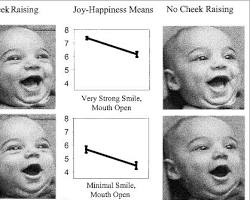
- Facial Expressions: Facial expressions such as furrowing their brow, pursing their lips, or averting their gaze can give clues about your baby’s emotional state. For example, furrowing their brow might indicate discomfort, and pursing their lips might indicate sadness.
- Body Language: Body movements such as moving their arms and legs, bringing their hands to their mouth, or arching their back can reflect your baby’s needs and emotions. For example, bringing their hands to their mouth might indicate hunger, and pulling their legs up to their stomach might indicate gas pains.
- Other Sounds: In addition to crying, other sounds such as murmuring, cooing, and grunting are also ways your baby communicates. These sounds usually express feelings of contentment, relaxation, or discovery.
When to Worry: Seeking Professional Help
Baby crying is usually a normal and healthy form of communication. However, in some cases, crying may indicate a health problem. It’s important to consult a doctor in the following situations:
- Constant and Intense Crying: If your baby is crying constantly and intensely and is difficult to soothe, there may be an underlying health issue.
- Change in Cry Tone: If your baby’s cry tone suddenly changes and becomes higher-pitched, sharper, or different, this could also indicate a health problem.
- Symptoms Accompanying Crying: If crying is accompanied by symptoms such as fever, vomiting, diarrhea, cough, runny nose, loss of appetite, drowsiness, or skin rash, be sure to consult a doctor.
- Sudden and Unexplained Crying: If your baby suddenly starts crying for no apparent reason, especially if they were previously a calm baby, this situation may also require attention.
Tips for Parents: Learning Their Baby’s Language
Understanding baby language is a process that takes time, patience, and attention. Here are some tips for parents to better understand their baby’s cries and communication signals:
- Be Observant: Carefully observe your baby’s crying patterns, tones, and rhythms. Note in what situations they cry and how.
- Evaluate the Context: Always evaluate the context in which your baby’s crying occurs. Consider their daily routine, last feeding, sleep pattern, and general mood.
- Pay Attention to Other Communication Cues: Observe your baby’s facial expressions, body language, and other sounds as well. These cues can complement the meaning of their cry.
- Be Patient: Understanding baby language can take time. It’s normal to make mistakes at first. Be patient and continue to communicate with your baby.
- Trust Yourself: Trust your instincts. As a parent, you know your baby best.
- Don’t Hesitate to Seek Professional Help: If you are having difficulty understanding your baby’s cries or have concerns, don’t hesitate to seek help from a pediatrician or baby communication specialist.
Decoding baby cries is both a challenging and rewarding experience for parents. By trying to learn your baby’s language, you can better meet their needs, provide better care, and strengthen the bond between you. Remember, every baby is unique and has their own communication style. With patience, attention, and love, you will be able to decipher your baby’s language over time.



 Milkoholic Baby
Leave a comment