
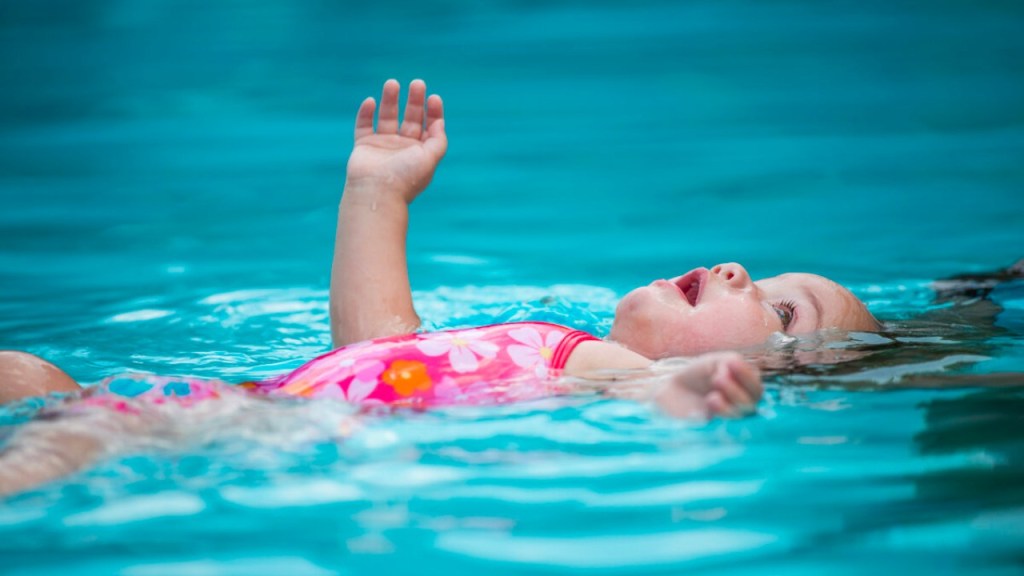
The idea that babies can swim naturally is a topic that is often discussed among parents. Many believe that babies are instinctively capable of swimming because of their natural reflexes. However, this topic requires a scientific explanation and there are some important points that need to be clarified. So, let’s answer the question directly: No, babies cannot swim naturally. However, babies are born with certain reflexes that make them more responsive to water.
Natural Reflexes in Babies
When babies are born, they show some instinctive responses when exposed to water. These responses include behaviors like holding their breath, diving, and maintaining a position in the water. However, these reflexes do not equate to babies actually being able to swim. The reflexes babies show in the water are natural and usually present during the first few months of life.
1. The Dive Reflex (Bradycardic Reflex)
When babies are born, they have a protective reflex that helps them respond to submersion in water. This reflex causes babies to automatically hold their breath when submerged in water. This reflex is strong during the first few months of life. When a baby is submerged in water, they instinctively hold their breath, which prevents drowning. However, this reflex only allows babies to stay submerged for a very short time. Therefore, babies cannot stay under water for long. Additionally, this reflex diminishes over time and requires further development as the baby grows.
2. Instinct to Move in Water
Some babies may make swimming-like movements when they are first introduced to water. However, these movements are more of an instinctive reaction rather than a learned skill. Babies might exhibit natural movements in water, but these are typically involuntary and not controlled. These movements do not equate to actual swimming ability.
Baby’s Swimming Ability and Development
Babies are not born with the ability to swim. Swimming is a complex skill that requires muscle development, coordination, balance, and motor skills. Babies need time to develop physically before they are able to swim.
1. Development of Motor Skills
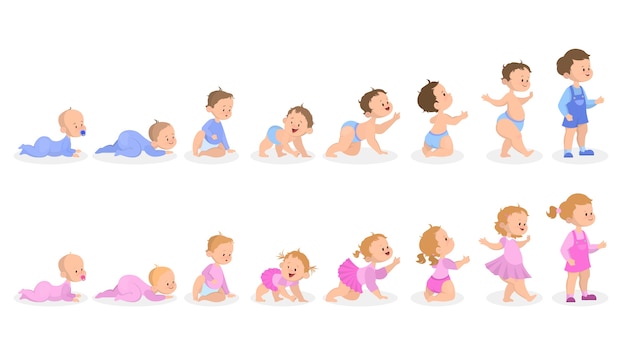
Babies’ motor skills usually start developing around a few months of age. In the first few months, babies have limited control over their bodies. They only begin to gain strength in their muscles as they begin to hold their heads up. Even though babies may move in the water, their muscles are not yet strong enough to keep them afloat or allow them to swim for long periods. Swimming skills generally begin to emerge around 6-9 months, when babies can hold their heads up and begin to coordinate their arms and legs.
2. Water Movement and Swimming Lessons
For babies to learn swimming, their bodies need to reach a certain level of physical development. Initially, babies may enjoy moving in the water and becoming familiar with it, but swimming is not a skill they can perform at this age. They can, however, begin to enjoy the water, splash, and make movements. Swimming abilities develop gradually as babies get older and their motor skills improve.
Parents can introduce babies to water in a fun and safe manner. This helps babies get used to the water, but true swimming skills develop later in childhood. The key point is that learning to swim is a long-term process that requires physical growth and development.
3. Early Swimming Classes and Safety
Swimming classes for babies typically begin when babies start developing their motor skills around 6-12 months. However, at this age, babies are still only becoming familiar with water, enjoying fun activities, and getting used to being in the water. Early swimming classes help babies adjust to the water, but they do not make babies capable of swimming. It’s crucial to ensure safety when introducing babies to water. Babies should never be left unsupervised in water, and an adult should always be present during water activities.
Baby Water Safety
When it comes to babies and water, safety measures are essential. Babies’ bodies are not strong enough to handle the effects of water for long periods of time. Always ensure that babies are supervised while in the water. They should not be allowed to stay in the water for extended periods.
1. Water Safety for Babies
The temperature of the water is very important for babies. Water that is too hot or too cold can negatively affect a baby’s skin and overall health. Always ensure that the water temperature is appropriate for your baby before introducing them to water. Additionally, babies should never be placed in deep water until they are older and capable of swimming. Water activities for babies should always be done in a safe and controlled environment.
2. Swimming Training and Swimming Ability in Later Years
Swimming ability typically becomes more apparent when children reach around the age of 3. At this age, they have developed the necessary muscle strength and coordination to actually swim. Early exposure to water can help children develop swimming skills later on. However, it’s important to remember that babies do not have the physical capabilities to swim right after birth. Early exposure simply helps them get used to water and prepares them for learning swimming later in life.
Conclusion
Babies are not born with the ability to swim. However, they are born with certain reflexes that help them respond to water exposure. Babies develop swimming skills gradually as they grow and gain more control over their bodies. By around 6-12 months, babies can begin to enjoy the water, but they are not capable of true swimming until they have developed the necessary motor skills, which typically happens after the age of 3. Parents should always prioritize safety when introducing babies to water and remember that swimming is a skill that takes time to develop.



 Milkoholic Baby
Leave a comment