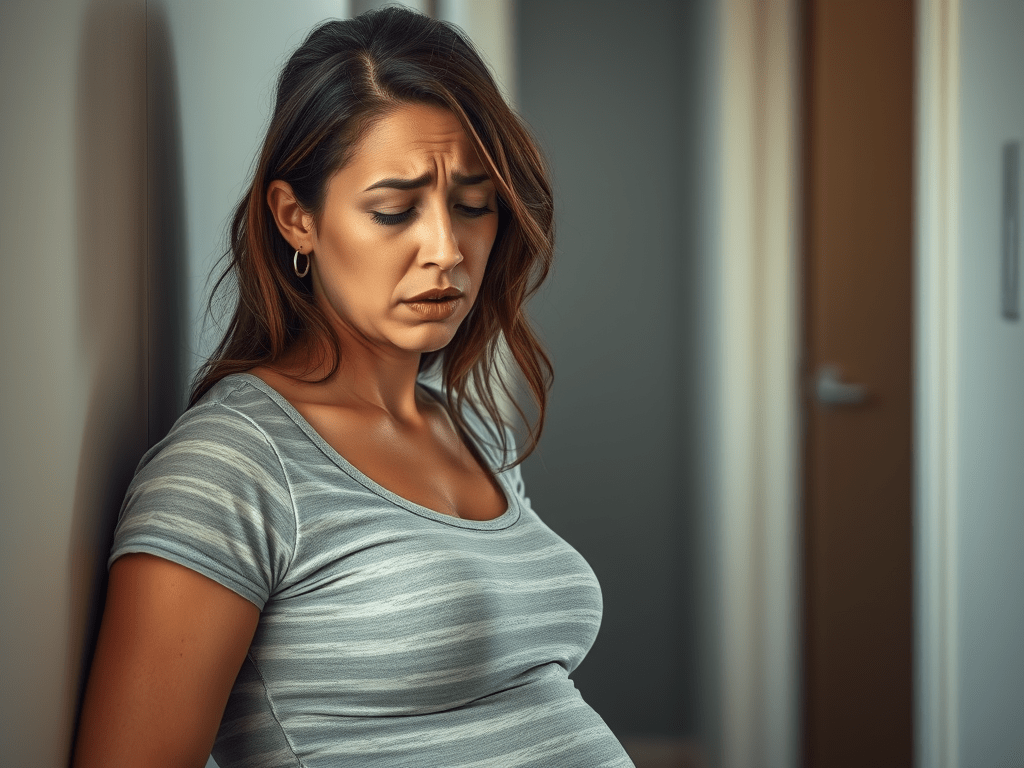
Nausea and vomiting are common occurrences during the early months of pregnancy. These symptoms are more noticeable between the 5th and 18th weeks of pregnancy, especially in the mornings. However, they can occur at any time of the day. Pregnancy-related nausea is known as “morning sickness.” If vomiting becomes excessive, this condition is referred to as “hyperemesis gravidarum.”
Nausea and vomiting during pregnancy are more prominent in the first 2-3 months, and relief is often observed around the 4th month. However, in 5% of pregnant women, nausea continues until the end of the pregnancy. Interestingly, women experiencing nausea and vomiting during pregnancy have a significantly lower risk of miscarriage compared to those who don’t experience nausea.
Why does nausea and vomiting occur during pregnancy? The exact cause of pregnancy-related nausea and vomiting is not fully understood. The most commonly suspected factors include increased pregnancy hormones (especially hCG, also known as the pregnancy hormone), delayed stomach emptying, and psychosocial factors. In multiple pregnancies (twins, triplets), nausea and vomiting are more frequently observed.
Some pregnant women are more likely to experience nausea and vomiting than others:
- Women who had excessive nausea and vomiting in a previous pregnancy
- Women who experienced nausea while using birth control pills
- Women who suffer from migraine-type headaches during their menstrual cycle
- Women with a history of gastrointestinal issues such as reflux or ulcers before pregnancy
What should be done when experiencing nausea and vomiting during pregnancy? To help alleviate nausea, try the following suggestions:
- Eat something whenever you feel hungry
- Eat small amounts frequently
- The best foods to prevent nausea are those rich in carbohydrates and protein, but avoid foods high in sugar
- Avoid greasy, acidic, and spicy foods
- Energy drinks and ginger-flavored cold drinks can be helpful; avoid coffee
- Drink fluids between meals, not with them
- Brush your teeth immediately after eating
- Do not lie down or change positions quickly (e.g., standing up too fast) after eating
- Take medications or vitamins at night, after having a light snack
- Avoid environments that worsen nausea. Hot, humid, crowded, noisy, and strongly scented places can increase nausea and vomiting
- If possible, avoid driving and strenuous exercise. Fatigue can worsen nausea
- If possible, let someone else prepare your meals
What are the symptoms of excessive nausea and vomiting during pregnancy? Unlike normal nausea and vomiting during pregnancy, hyperemesis gravidarum involves vomiting multiple times a day. This can lead to fluid and weight loss.
Signs of fluid loss include:
- Urinating less than usual
- Dark-colored urine
- Dizziness or faintness when standing up
- Weight loss
When should you see a doctor for nausea and vomiting during pregnancy? Most women with mild or moderate nausea and vomiting do not require treatment. However, since nausea and vomiting can be quite uncomfortable, following the above-mentioned tips may help you feel better. If the situation cannot be controlled and you start losing weight, you should consult a doctor.
If you experience any of the following, you may need medical assistance:
- Dark-colored urine and urinating less than normal
- Dizziness when standing up
- Vomiting frequently during the day, with or without bleeding
- Cramping pain in the abdomen or pelvis
- Weight loss (2.5 kg or more)
Are there tests for excessive nausea and vomiting during pregnancy? Blood and urine tests may be performed to determine if there is any fluid loss and to observe the body’s defensive mechanisms. An ultrasound may also be conducted to check the baby’s condition.
How is excessive nausea and vomiting during pregnancy treated? If vomiting is severe and accompanied by fluid and weight loss, you may need to be hospitalized and receive treatment. In the hospital, special fluids (serum) may be administered intravenously to restore fluid balance, and medications may be given to reduce nausea. If this treatment is ineffective, feeding may be done via a tube inserted through your nose into your stomach or through an intravenous line.
Can pregnancy-related nausea and vomiting be prevented? Before pregnancy or upon learning about your pregnancy, your doctor may ask you to take vitamin tablets containing “folic acid.” These vitamins can help reduce pregnancy-related nausea and vomiting. However, if you experience nausea and vomiting, it is recommended to take these vitamins at night rather than during the day.
Other methods to prevent nausea and vomiting during pregnancy include:
- Acupuncture – Recently popular and no evidence suggesting harm to the baby
- Hypnosis – Can be tried for some patients, especially those with significant anxiety
- Ginger – Ginger powder or ginger-containing teas and other drinks have been found helpful for some pregnant women
Does pregnancy-related nausea and vomiting harm the baby? Mild nausea and vomiting, commonly observed in the early stages of pregnancy, do not negatively affect the baby’s health. However, if severe vomiting continues throughout the pregnancy, the baby’s birth weight may be somewhat lower than expected. There have been no reports suggesting that medications prescribed for nausea and vomiting during pregnancy harm the baby.



 Milkoholic Baby
Leave a comment