Early Pregnancy Symptoms
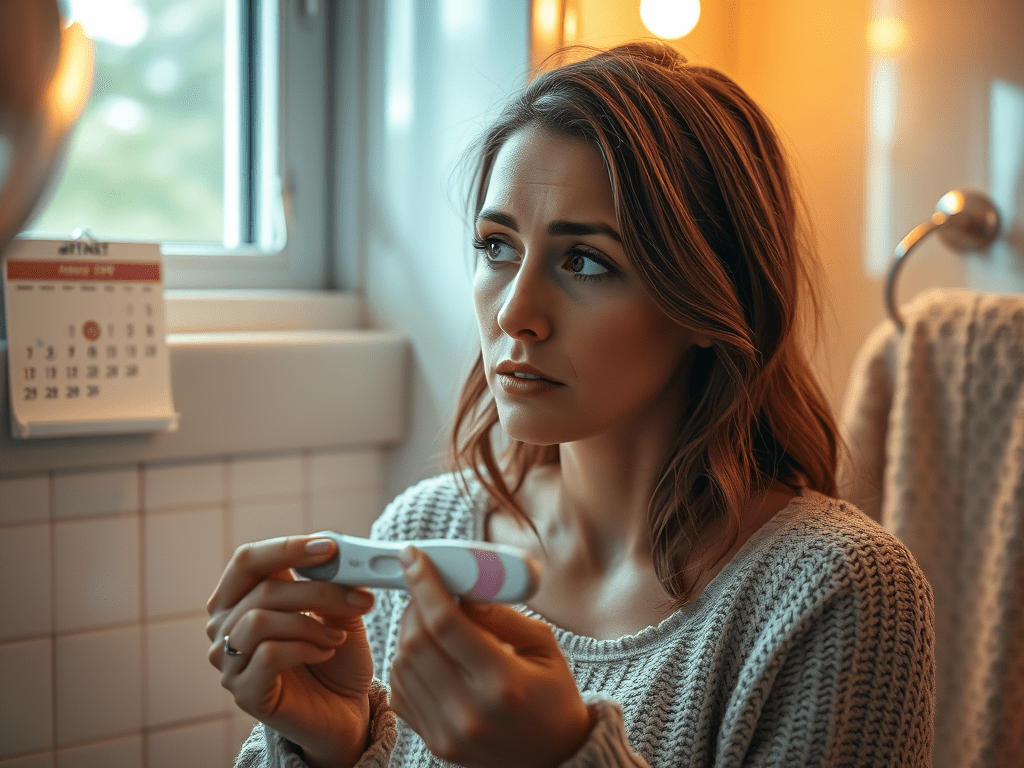
Pregnancy is one of the most special and exciting periods in a woman’s life. This process brings many new experiences and changes. The early signs of pregnancy are considered as indicators of these changes.
Although the early pregnancy symptoms can vary from person to person, the most common early signs of pregnancy include:
The most noticeable and earliest sign of pregnancy is a missed period. In a woman with a regular menstrual cycle, a missed period raises the possibility of pregnancy.
Breast tenderness, swelling, and tingling sensations are common in the early weeks of pregnancy. The nipples may also darken and enlarge.
Morning sickness, which includes nausea and vomiting, usually occurs in the mornings. However, it is not seen in every pregnancy and can appear at different times during the day.
Fatigue and weakness due to pregnancy hormones are among the early symptoms.
Increased progesterone hormone causes the bladder to fill more frequently, leading to the need for frequent urination.
Light spotting or bleeding may occur during the embryo’s implantation in the uterine wall.
Pregnancy increases the sensitivity of the sense of smell, and certain odors may become overwhelming.
Hormonal fluctuations can lead to sudden mood swings and emotional sensitivity.
Hormonal changes and increased blood volume can cause headaches.
Intestinal movements may slow down due to hormones, and constipation may develop.
Other early pregnancy signs include abdominal pain or cramps, hot flashes, sleepiness, dizziness, a metallic taste, and changes in appetite. The intensity and presence of these symptoms can vary from woman to woman.
The severity and duration of these symptoms can change based on various factors, including:
- Number of pregnancies
- Hormone levels
- General health
- Stress levels
When Do the Earliest Pregnancy Symptoms Appear?
For many expectant mothers, noticing the first signs of pregnancy is a source of curiosity and excitement. The question of when the earliest pregnancy symptoms appear is a common one. Pregnancy symptoms can vary from person to person and pregnancy to pregnancy.
Some women may feel the first signs a few days after fertilization, while others may not experience any symptoms for weeks. Generally, pregnancy symptoms begin to appear within the first week after fertilization.
However, the symptoms seen are not definitive indicators of pregnancy. Missed periods, fatigue, or nausea may also be signs of other health issues. A pregnancy test or a visit to the doctor is needed for a definitive diagnosis.
How Can I Tell if I’m 1 Week Pregnant?
The first week of pregnancy is when fertilization occurs, and the embryo attaches to the uterus. During this time, many women experience no symptoms, while some may begin to notice early signs.
The most common 1-week pregnancy symptoms include:
- Missed Period
- Mild Abdominal Cramps
- Spotting
- Breast Sensitivity
- Fatigue
- Nausea
- Frequent Urination
These symptoms may not appear in the same way for every woman. Some may not experience any of them, while others may have different symptoms. As these symptoms can also indicate other health issues, it is important to consult a doctor for a definitive diagnosis.
If you suspect you are pregnant, you can take a home pregnancy test or get a blood test at your doctor’s office. Home pregnancy tests use urine samples and typically have a 99% accuracy rate.
If your pregnancy test result is positive, it is important to make an appointment with your doctor for the necessary check-ups. Your doctor will confirm the pregnancy with ultrasound scans and blood tests, and calculate the gestational age.
How Can You Tell if You’re Pregnant on the First Day?
It is quite difficult to definitively determine pregnancy in the first few days, and most women do not experience any symptoms during the first week.
Some women may experience symptoms in the first few days after fertilization, but these symptoms do not always indicate pregnancy.
Why is a Blood Test Important During Pregnancy?
Blood tests during pregnancy are crucial for both the mother’s and baby’s health. These tests are used to monitor the healthy progress of the pregnancy and detect potential problems early. The importance of blood tests during pregnancy can be explained with the following points:
- Blood tests are more accurate than urine tests for confirming pregnancy.
- Monitoring beta hCG hormone levels can help diagnose an ectopic pregnancy.
- Complete blood count, biochemistry tests, and other blood tests are used to evaluate the general health of the expectant mother. This helps in early diagnosis and treatment of issues like anemia, infections, thyroid problems, etc.
- Blood tests provide information about the baby’s health, including chromosomal abnormalities, Down syndrome, and some infections.
- Blood tests can help detect and monitor pregnancy complications such as preeclampsia and gestational diabetes.
Blood tests are typically done during the first check-up and at specific stages of the pregnancy. Your doctor may request additional tests if necessary.



 Milkoholic Baby
Leave a comment