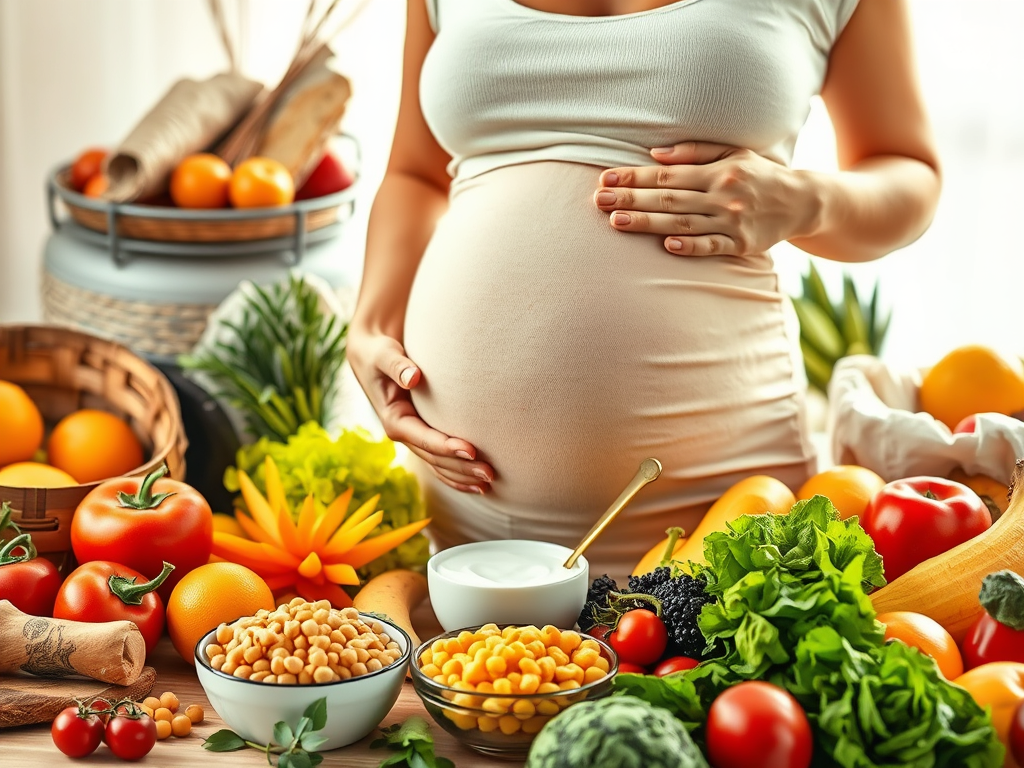
In the first month of pregnancy, the nutritional habits followed by the mother lay the foundation for the lifelong eating habits of the baby.
The mother should learn to eat healthily and regularly from the early stages of pregnancy to feel better, ensure a healthy pregnancy, and support the baby’s healthy growth.
If You Have Morning Sickness
The hormonal changes experienced by the mother in the first 3 months of pregnancy may lead to nausea, commonly referred to as hyperemesis. During this time, the mother may reject food and have limited energy intake.
To reduce the nausea experienced in the first trimester, try eating dry toast, crackers, chickpeas, or bread as soon as you get out of bed to help absorb stomach acid.
Avoid acidic drinks and fruit juices as they can cause heartburn. To meet your fluid needs, try drinking water during snack times rather than during meals, and make sure to drink at least 5-6 cups of water daily.
Avoid consuming raw vegetables and fruits during periods of intense nausea, as they can remain in the stomach for longer. To ensure adequate protein intake, include foods like cheese, salty yogurt drink, tzatziki, and yogurt throughout the day.
What You Eat Is Just as Important as How Much You Eat
During the first trimester, the baby receives all its nutrients from the mother, so there is no need to add extra energy to the mother’s diet. However, this does not mean that the mother can continue with irregular eating habits if she already has them.
The mother should consume at least one serving of a protein source such as red meat, fish, or legumes; three cups of milk or yogurt; and 5-6 servings of vegetables and fruits daily. For carbohydrates, it is recommended to consume bread types with high vitamin and mineral content, such as whole wheat, whole grain, or rye bread, rather than refined products.
There is no harm in consuming 6-8 servings of carbohydrates daily.
(1 serving = 1 slice of bread = 1 bowl of soup = 3 crackers = 2 crisp breads = 3 tablespoons of bulgur pilaf = 1/4 flatbread = 1 medium-sized potato = 1/4 simit = 2 tablespoons of chickpeas = 3 tablespoons of oatmeal).
During this period, the need for vitamins and minerals increases, so mothers should include foods rich in these nutrients and high in healthy fats, such as hazelnuts, walnuts, and almonds.
Pay Attention to Folate Use
The first 28 days of pregnancy are crucial for folate intake. Folate is essential to increase the mother’s blood volume and protect the baby from neural tube deformities. Foods alone are not sufficient to meet this increased need, so women planning to get pregnant should start taking folic acid 3 months before conception and continue during the first 3 months of pregnancy.
Avoid Herbal Teas in the Early Stages
Herbal teas that the mother may consume to relax can cause miscarriage, so it is not recommended. Specifically, fennel, turmeric, yarrow, chamomile, sage, barberry bark, senna, and green tea should be avoided during this time.
Turmeric can increase uterine contractions, sage can increase female hormones, and green tea can raise blood pressure, all of which may cause miscarriage.
Limit Caffeine Intake
Excessive caffeine intake by the mother can have harmful effects on the baby’s bone density and calcium content. High doses of caffeine can interfere with the absorption of many minerals and increase the risk of anemia.
Although coffee is the first thing that comes to mind when we think of caffeine, it is also present in cocoa, chocolate, soft drinks, black, and green tea. Therefore, you should try to limit your caffeine intake to 3-4 cups of light, lemon-infused tea per day. Coffee consumption should not exceed one cup per day.




 Milkoholic Baby
Leave a comment