

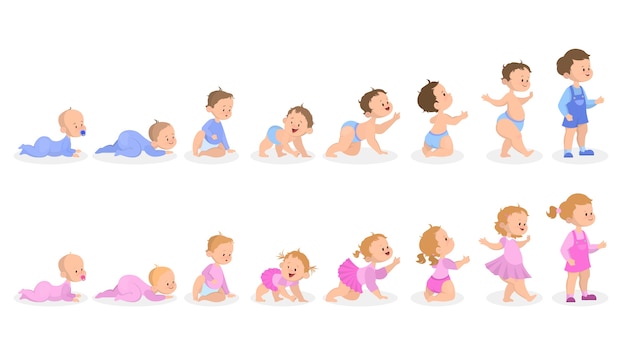
In child development, just as healthy nutrition is important, so too are toys and games for cognitive, physical, emotional, and social development. Among these toys, rocking horses play a significant role. The rocking horse you get for your child will contribute to their balance development. Since they will hold tightly onto the handlebars to avoid falling off and move back and forth, it will also support their muscle and motor development.
What About Introducing Your Child to Real Horses?
It’s perfectly natural for parents to feel anxious at first. They may worry about their child falling off the horse, getting scared when seeing the horse, or even being afraid of riding. A child whose favorite toy until that moment has been a rocking horse or a plush horse may feel fear due to the reactions given by the parent.
How Should the Family Behave?
They should stay calm. Since horses are sensitive animals, they will approach you in a friendly and loving manner. You can start by holding your child in your arms and allowing them to pet the horse. The joy on your child’s face when they touch the horse will make all the worries fade away. Remember, your child will react based on your response when meeting the horse for the first time.
The Benefits of Horseback Riding for Child Development
Physical Development:
Maintaining balance on a moving horse involves rhythmic movements with the legs and body posture. These movements help develop the leg and body muscles. Due to the upright sitting position, the abdominal and back muscles, as well as the hand and arm muscles from holding the reins, are also strengthened. The horse’s walking or running increases respiration and circulation. Since physical exertion is involved, appetite is stimulated. It also helps in easily transitioning into sleep, which is part of development.
Mental Development:
How tall is the horse? Is its skin furry? What sounds does the horse make? Can you imitate it? What color is it? Your child will excitedly describe all these things. While doing so, they will use their imagination, and expressing their feelings will contribute to the development of their verbal language skills.
Emotional Development:
Seeing themselves in control of a large animal will boost their self-confidence. The happiness they feel will be evident from the smile on their face. As they continue horseback riding, they will learn to manage their anger.
Social Development:
As mentioned earlier, horses are emotional, sensitive, and loving animals. These traits will help your child form bonds. Their friendships will develop, as will their empathy. Your child will take care of their favorite horse, bringing it sugar or vegetables, and learning about its nutrition. This process will increase their sense of responsibility and love for animals.
The Importance of Horses for Children with Special Needs:
Horseback riding is known to be beneficial for the physical, mental, and emotional development of children with special needs. Therefore, the use of horses in therapy has led to the introduction of hippotherapy methods. Hippotherapy centers have started to open in many provinces of Turkey. The Turkish Jockey Club has launched a social responsibility project for disabled children, offering horseback therapy centers and providing free services. Hippotherapy, conducted in a natural environment with specialists, is offering hope for the development of those with physical and mental disabilities.
Fields Where Hippotherapy is Used:
- Autism
- Down Syndrome
- Cerebral Palsy
- Traumatic brain injury paralysis
- Psychological disorders
- Behavioral disorders
- Learning and speech disorders
- Musculoskeletal diseases
- Hyperactivity
Book Suggestions Related to Horseback Riding and Supporting Development:
- I Love Riding Horses / Françoise La Gloahec
- The Horse and the Child / Rubert Isaacson
- New Pink / Heather Amery, Stephen Cartwright


 Milkoholic Baby
Leave a comment